






















Preparation for paragliders: checks, tips, and safety rules.
A safe and successful takeoff is the key to a great flying experience. Proper preparation for paragliders not only ensures safety, but also greater calm and enjoyment in the air. In this article, you will learn what to look out for, what equipment you need, and how to prepare optimally for your paragliding takeoff with a clear 5-point checklist.
Why good takeoff preparation is crucial
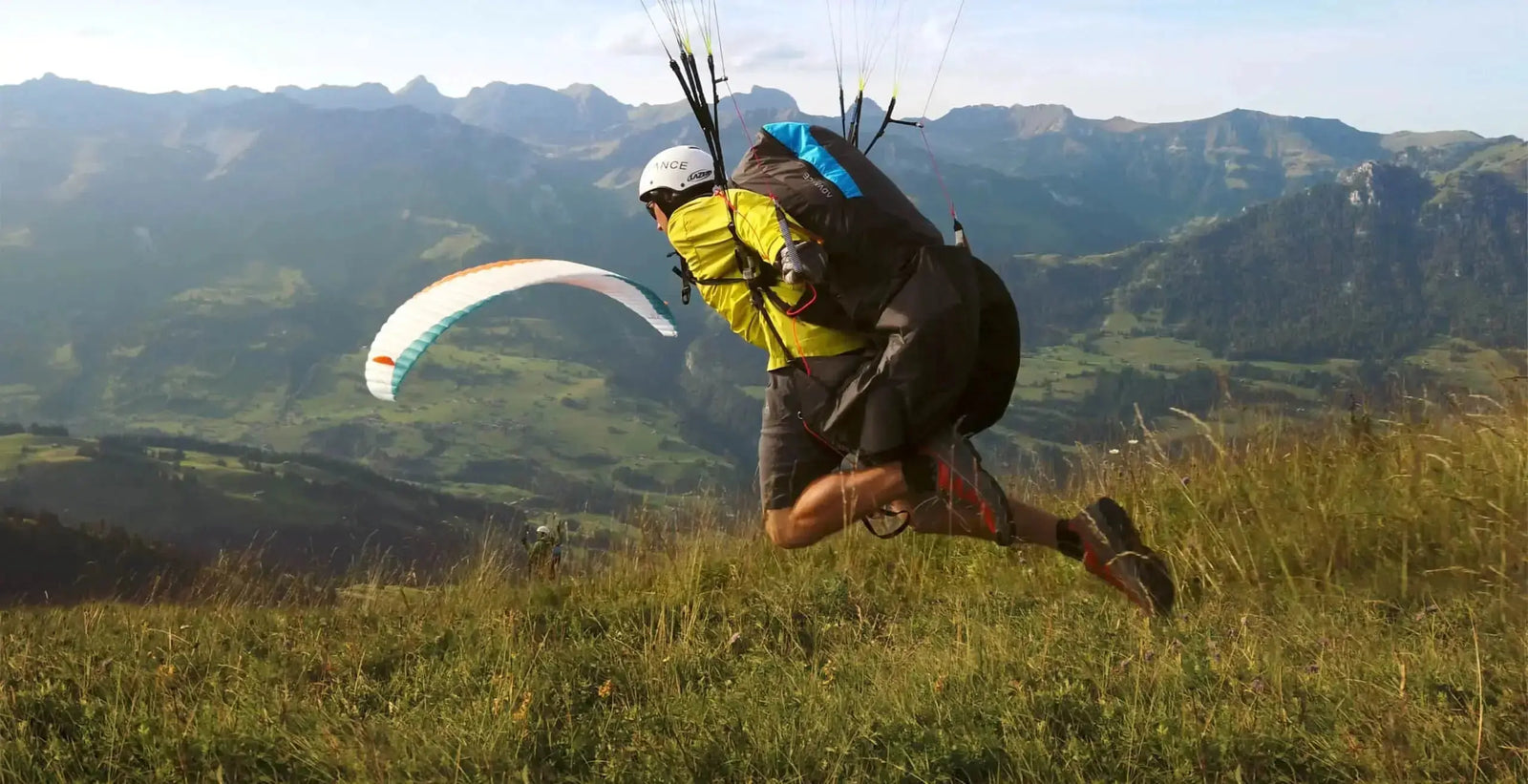
Paragliding takeoff is a complex action that requires many factors to be taken into account: your equipment, the weather, the launch site, and, of course, your physical and mental condition. Thorough preparation minimizes risks such as twisted lines, incorrect harness adjustment, or unpredictable wind conditions. It also ensures a smooth and safe launch, allowing you to concentrate fully on flying.
Here is the basic equipment you need for a successful launch:
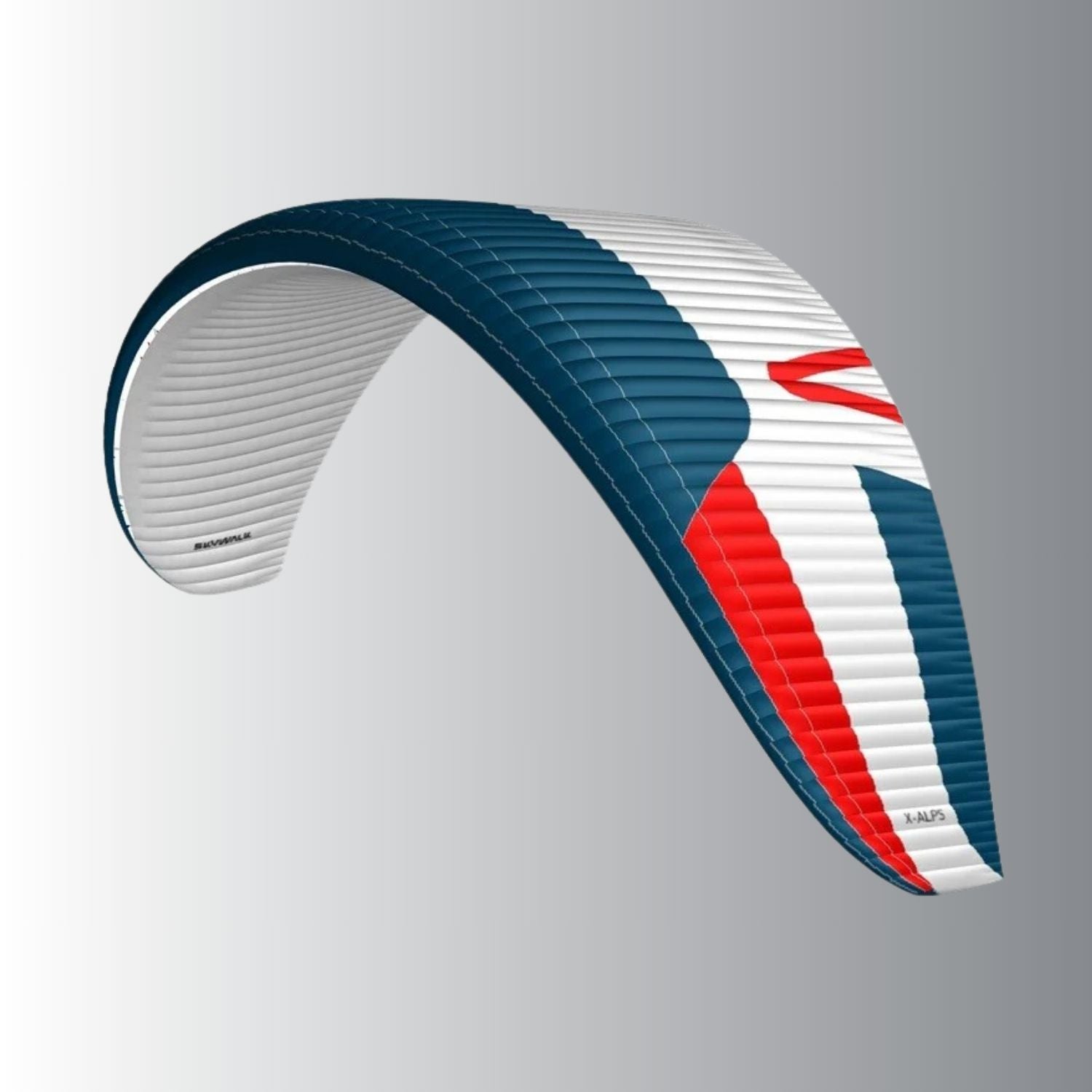
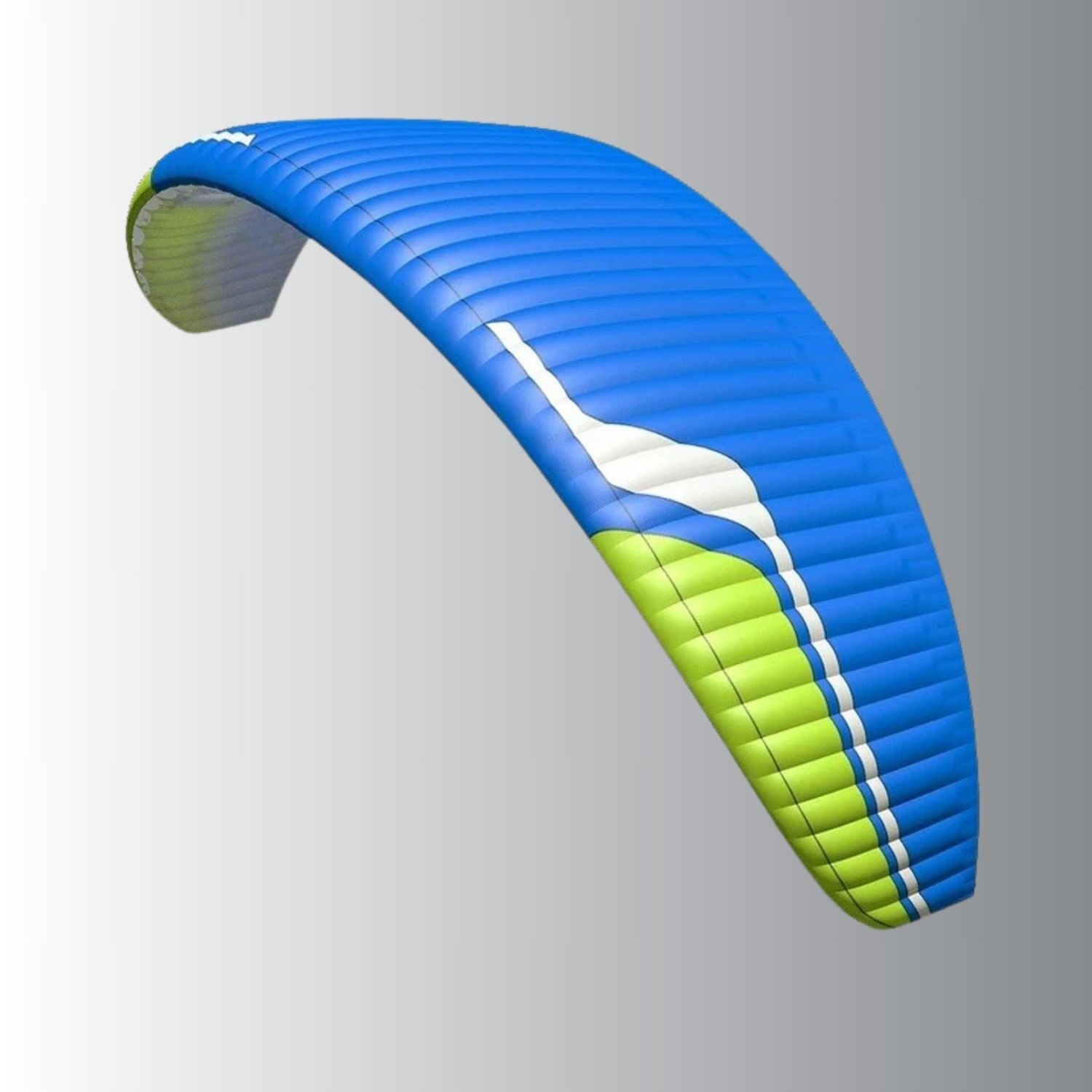
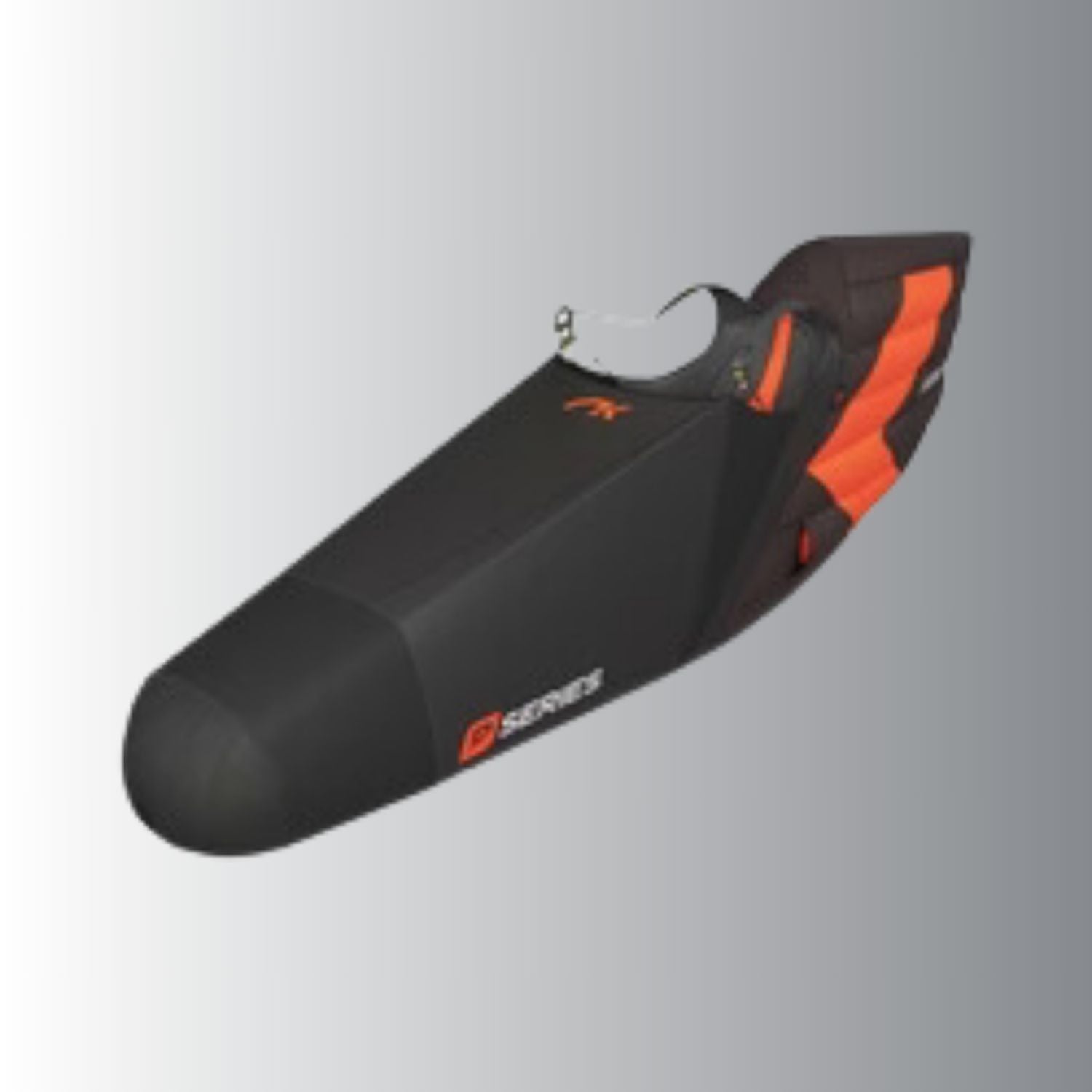
- Paraglider: Make sure your glider is clean, undamaged, and suitable for the current weather conditions.
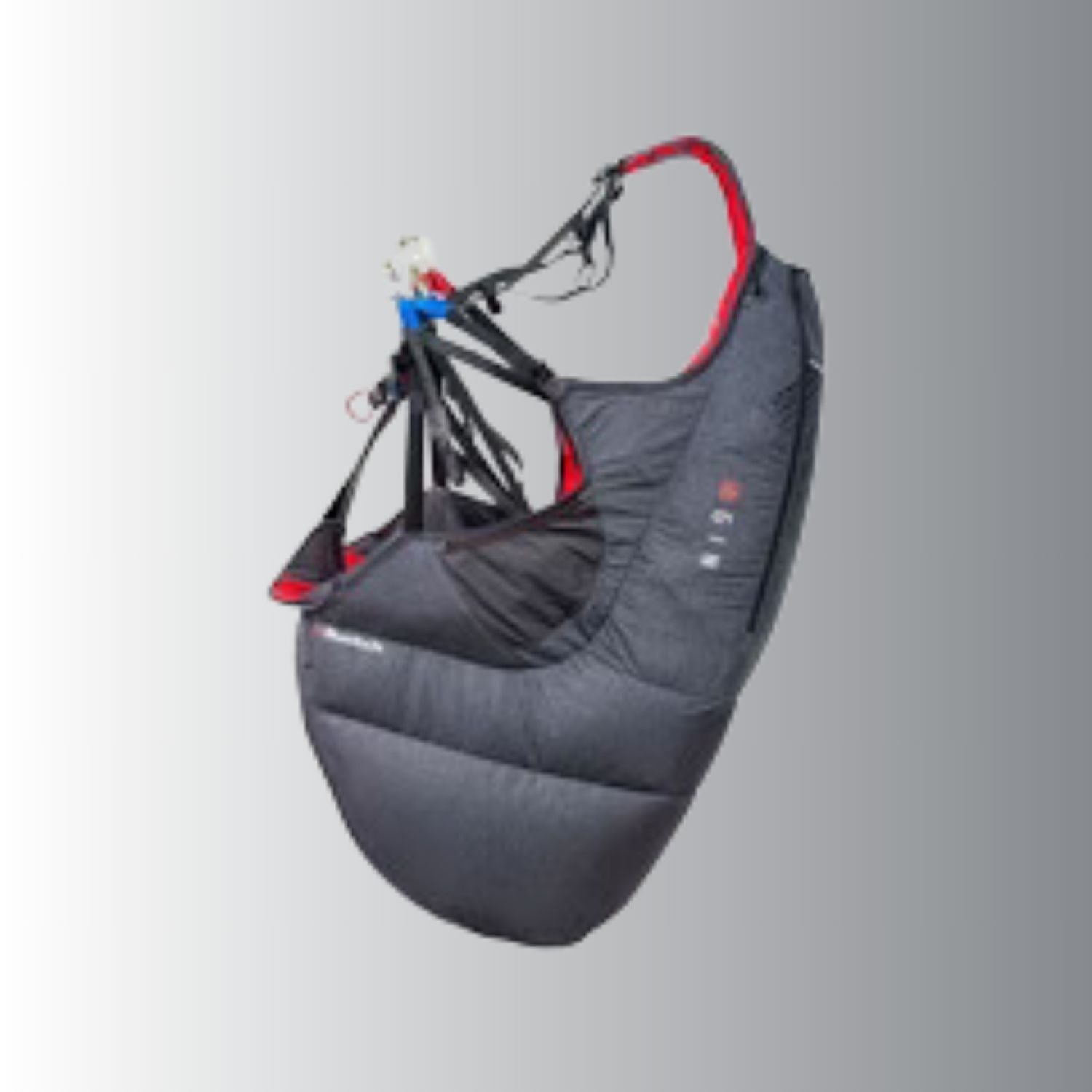
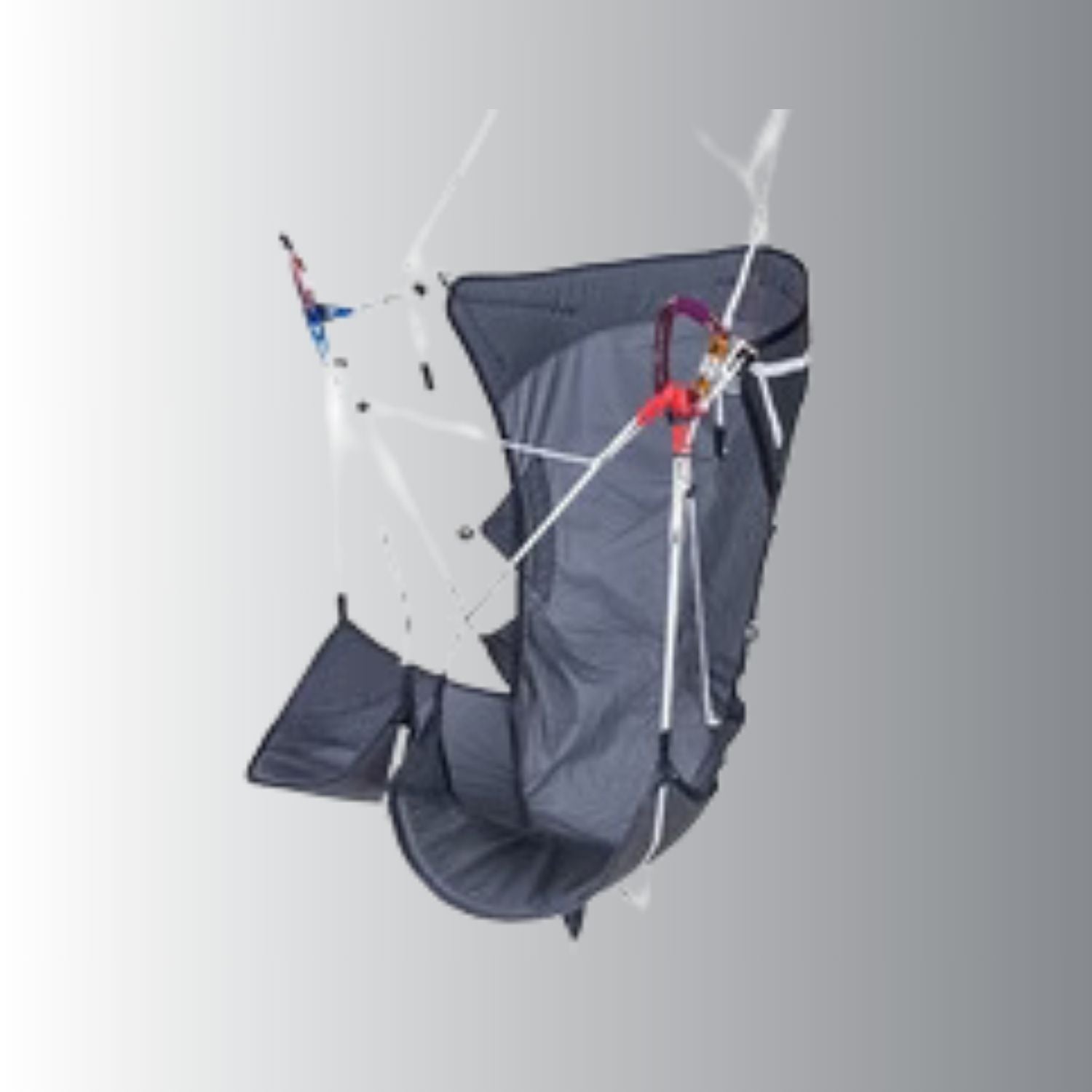
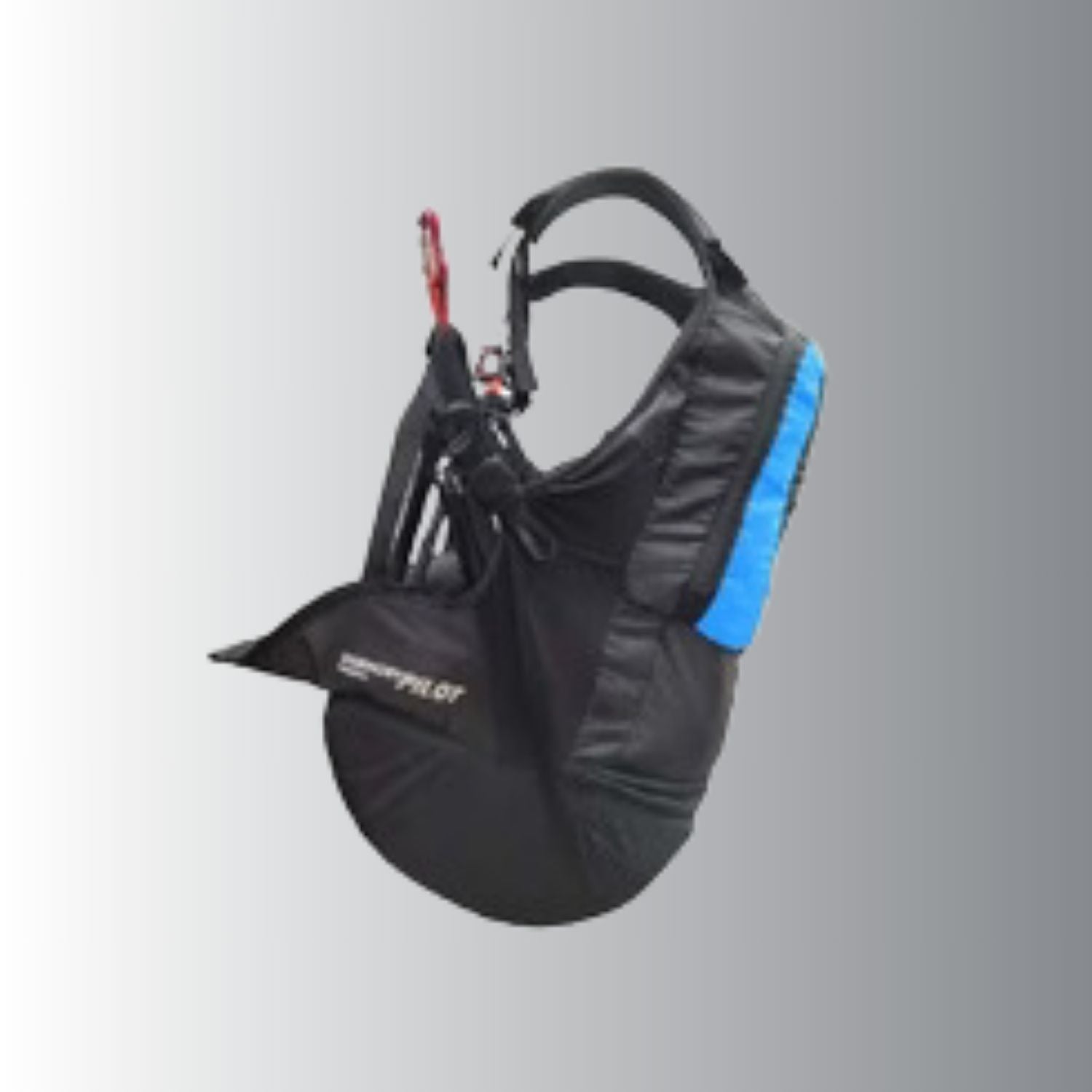
- Harness: It should be properly adjusted, comfortable, and securely fastened.
- Helmet: Your helmet is essential for protection. Check the fit and condition regularly.
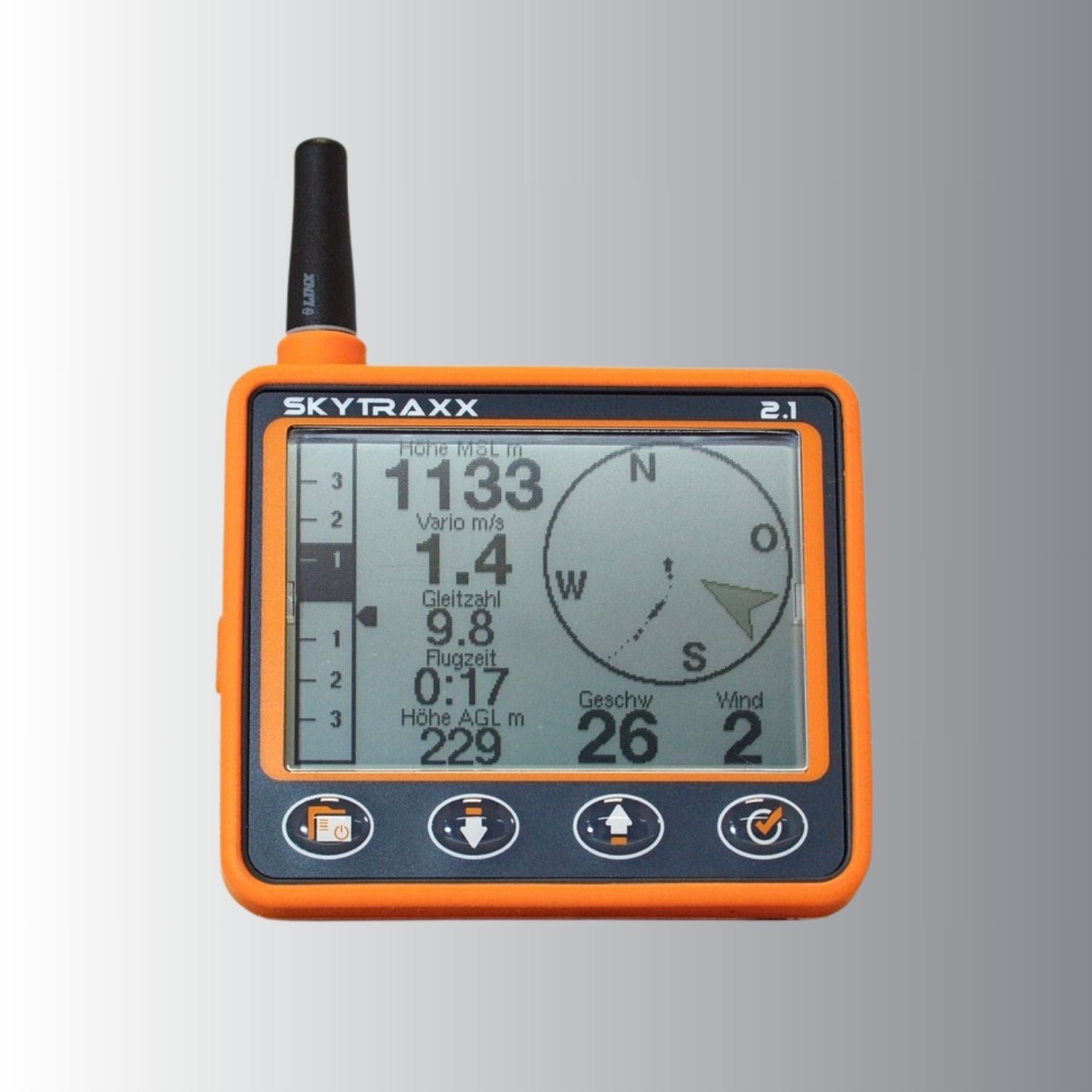
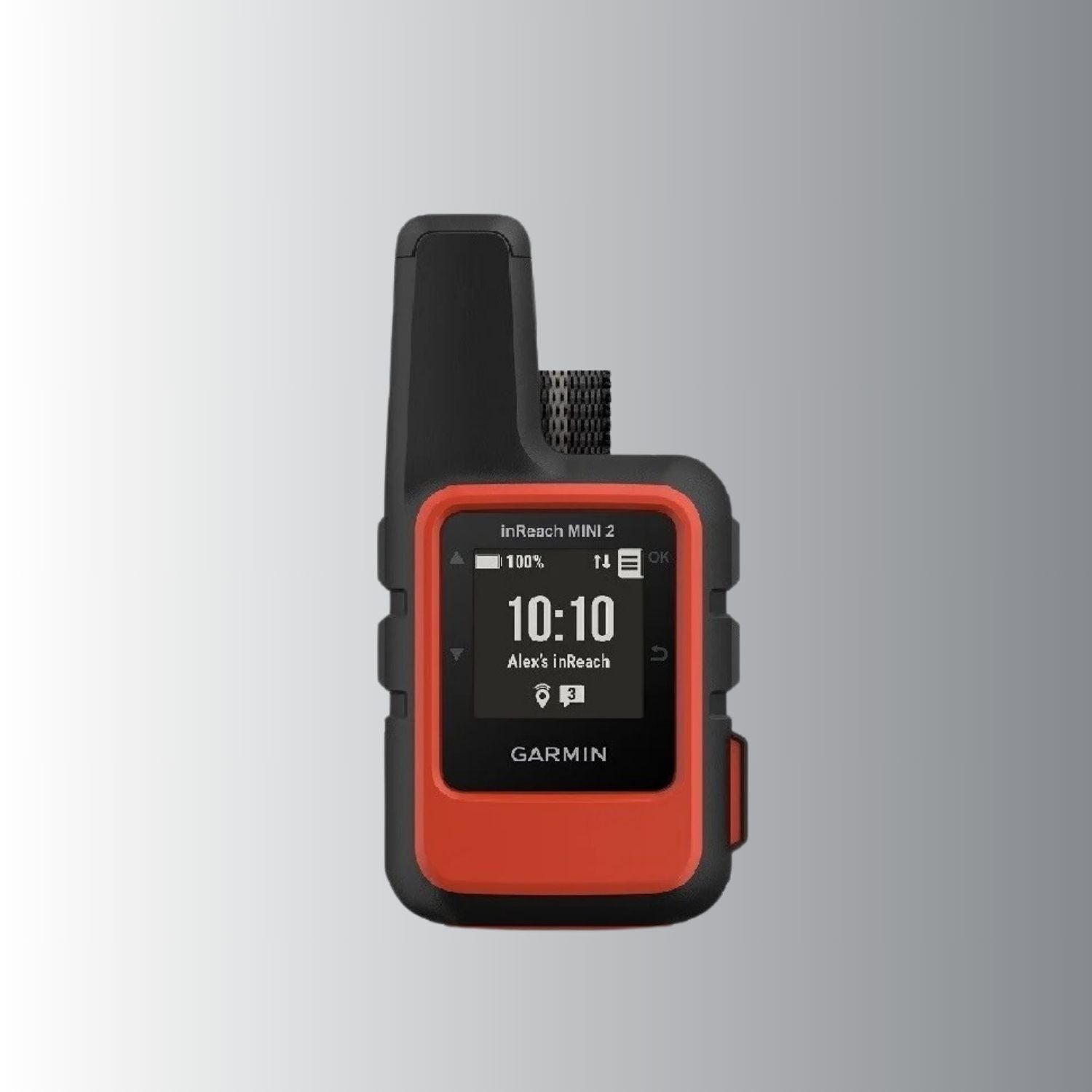
- Variometer & GPS: These devices help you monitor altitude, speed, and position during flight.
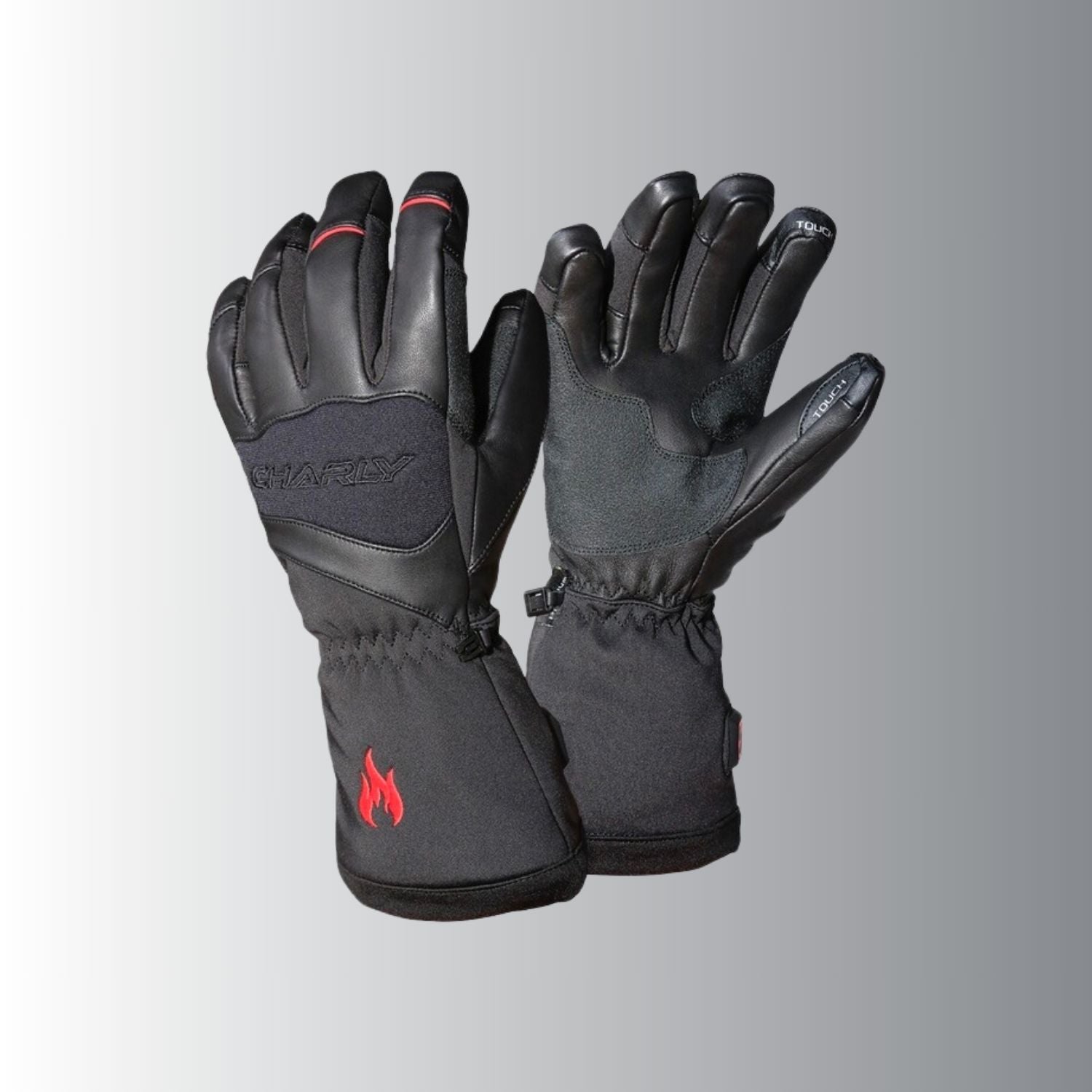
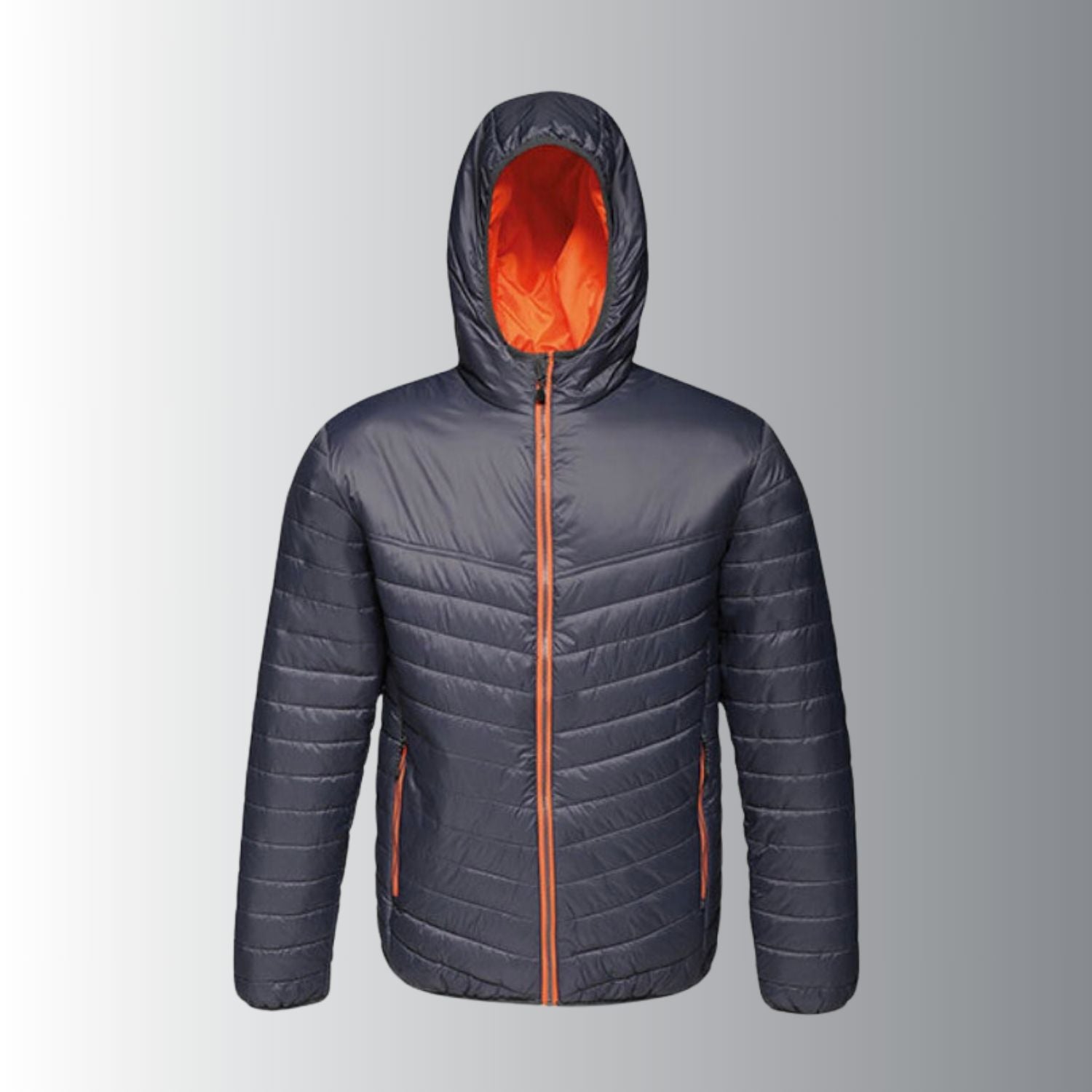
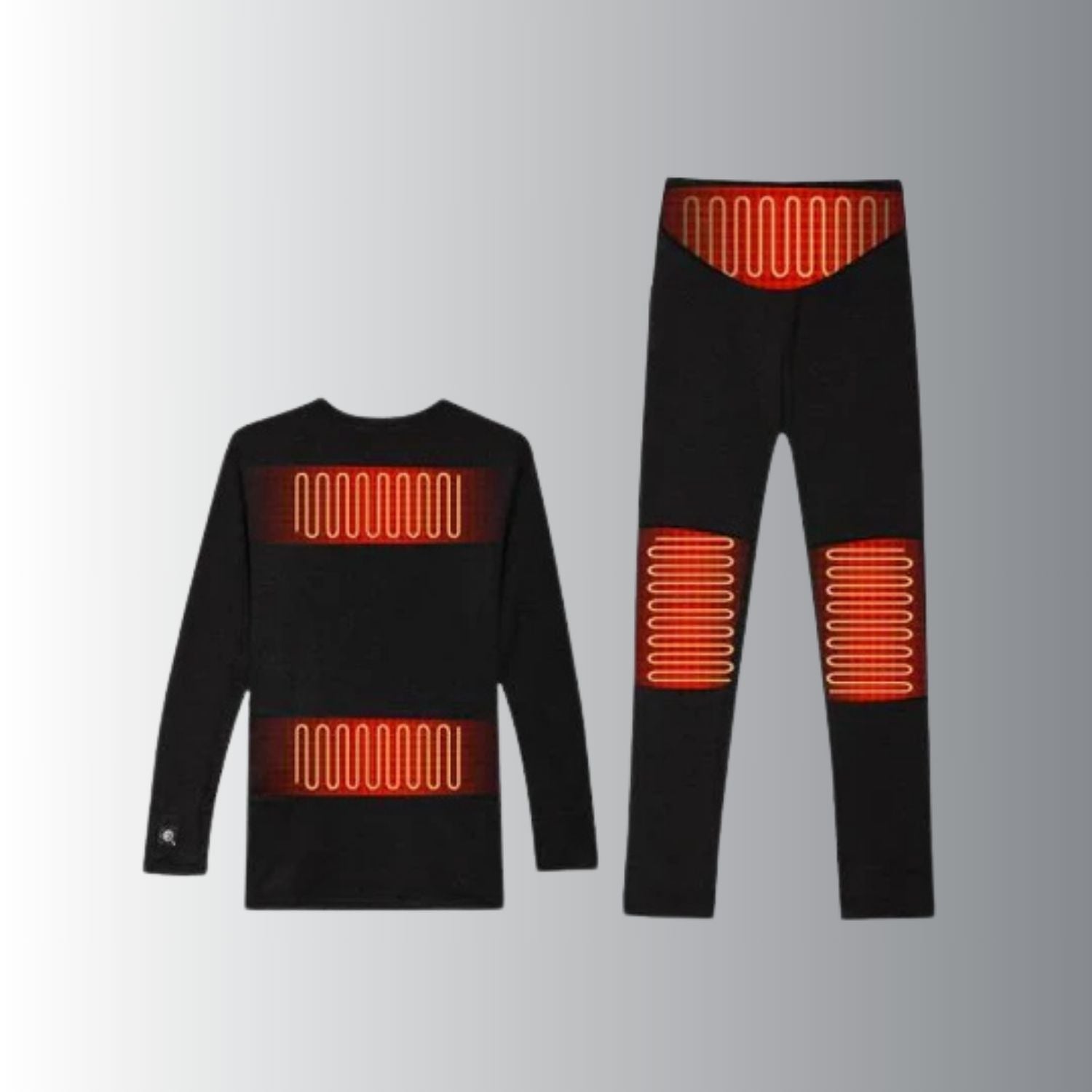
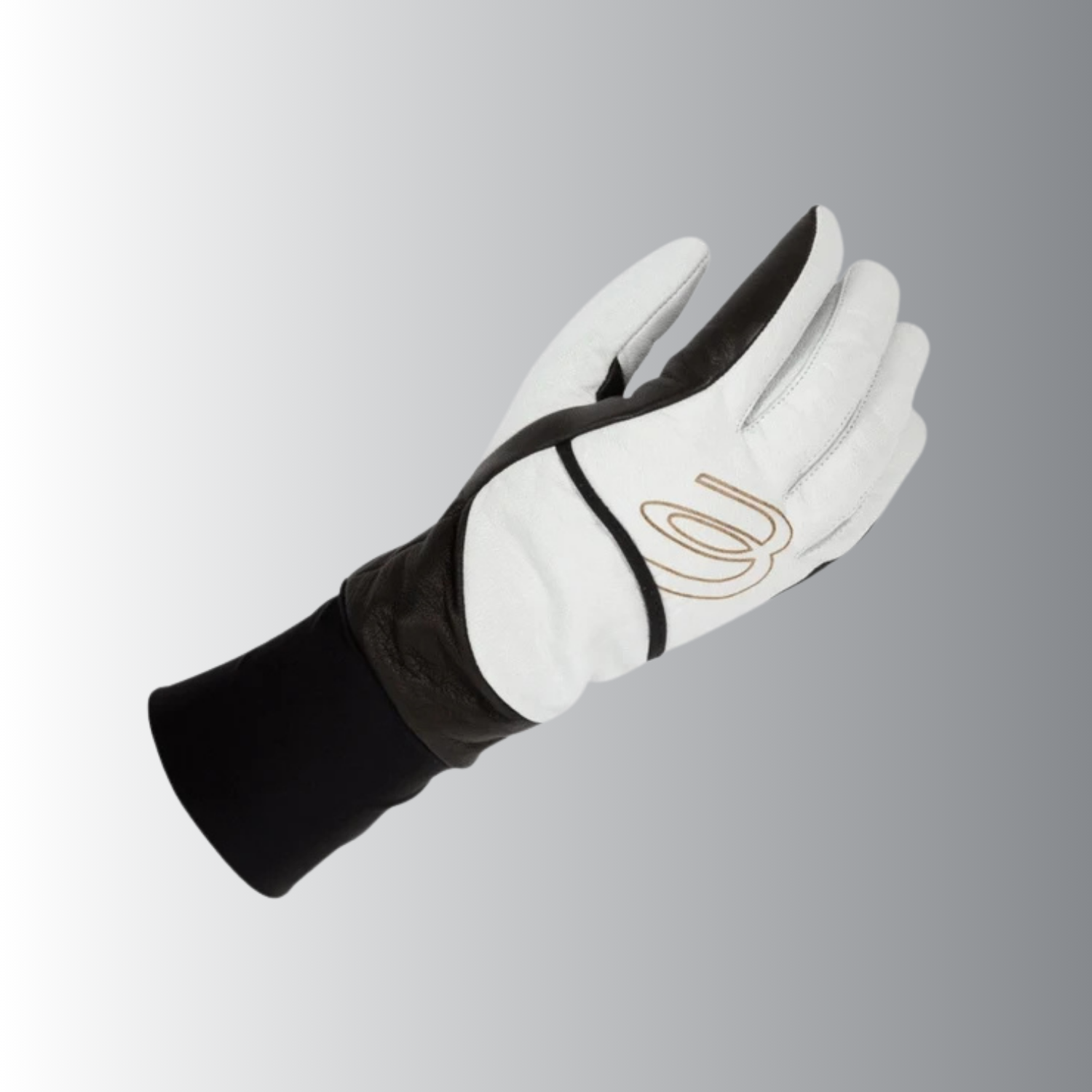
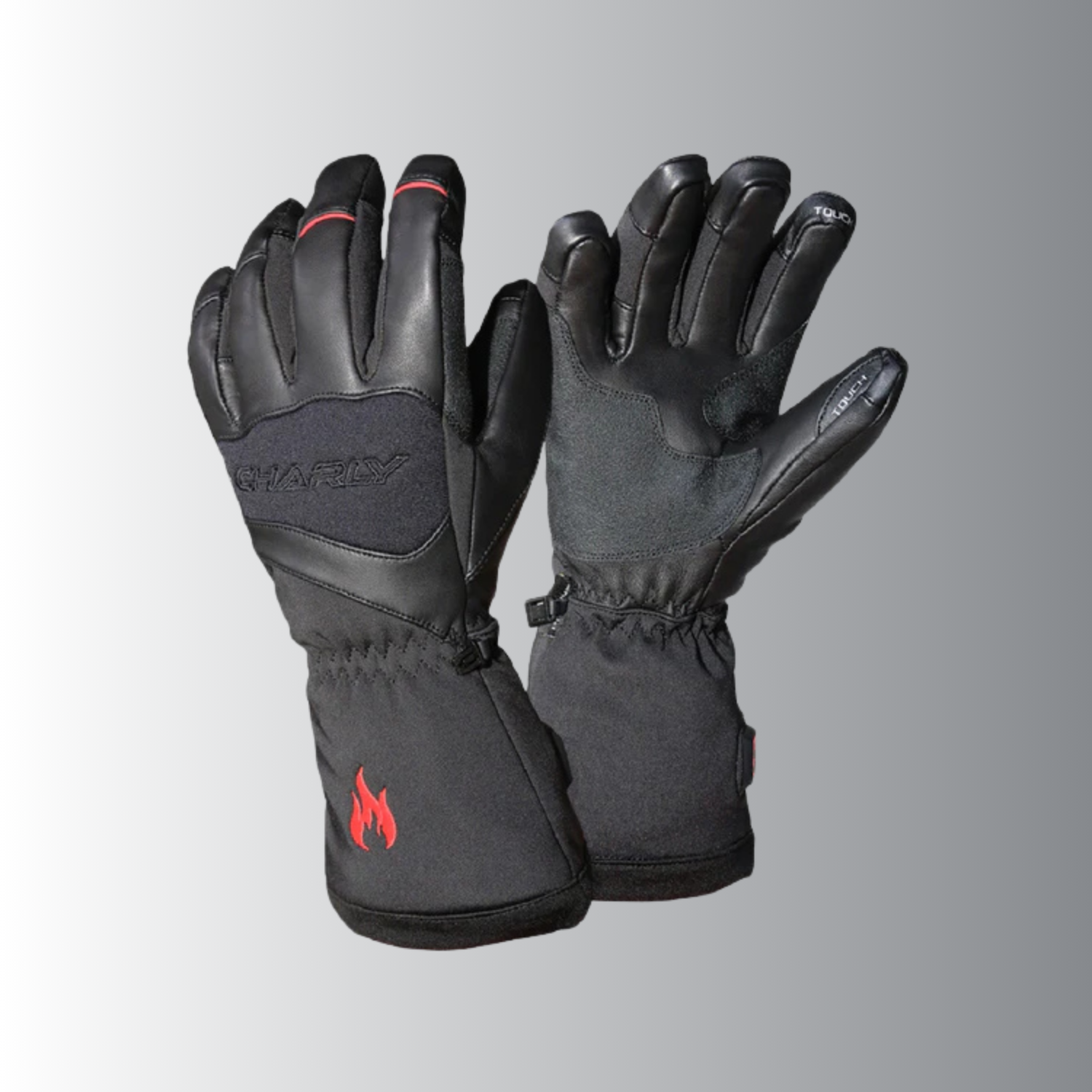
- Gloves and clothing: Weather-appropriate clothing, good footwear, and gloves ensure comfort and safety.
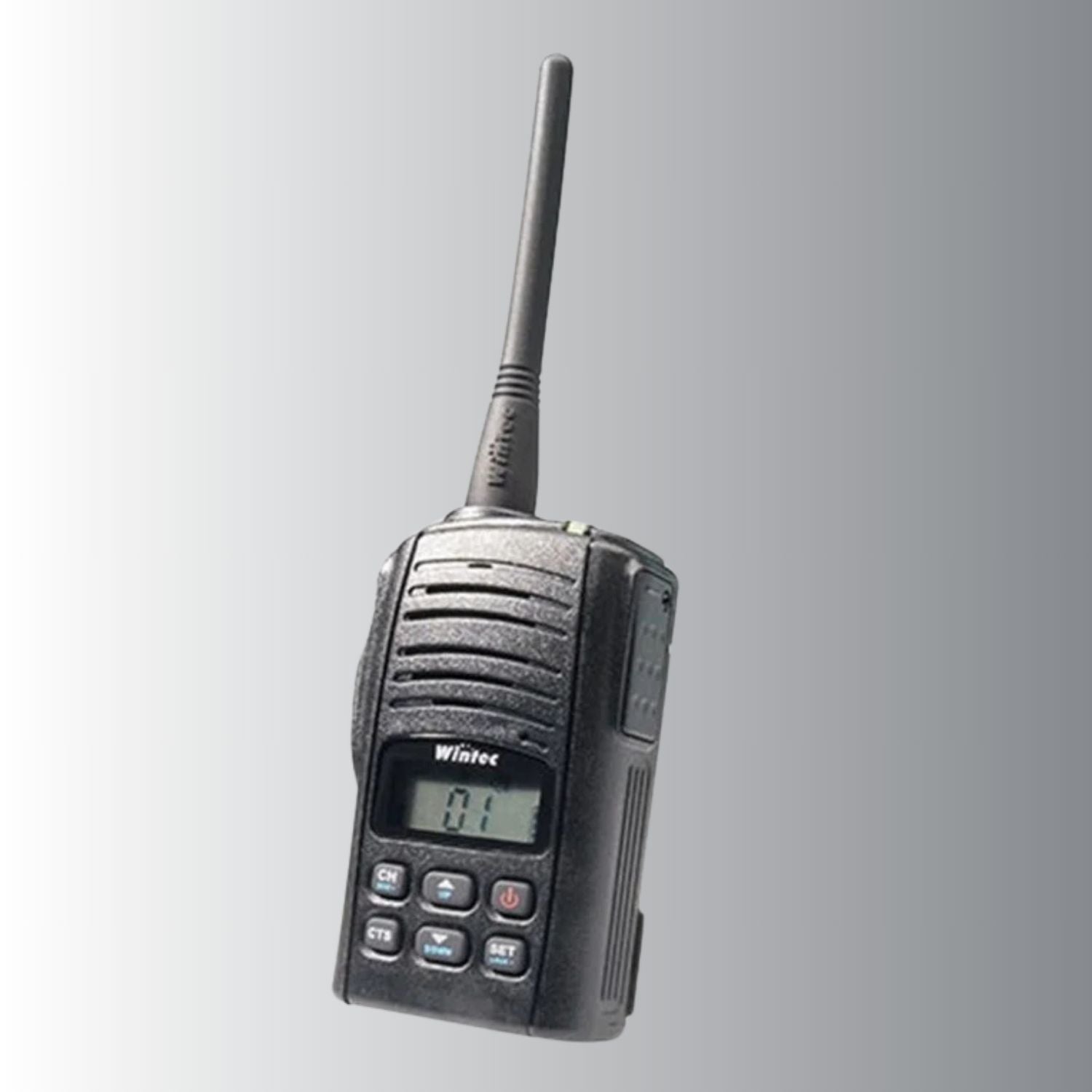
- Radio: For communication with other pilots or the ground crew.
- Checklist: A short written overview helps you to remember everything.
Equipment check
Your equipment is your most important partner in the air. For good takeoff preparation, you should check the following points before each takeoff:
- Paraglider: Are all lines clean and sorted? Are the line locks connected correctly? Is there any visible damage to the fabric?
- Harness and carabiners: Are they secure and are all buckles closed?
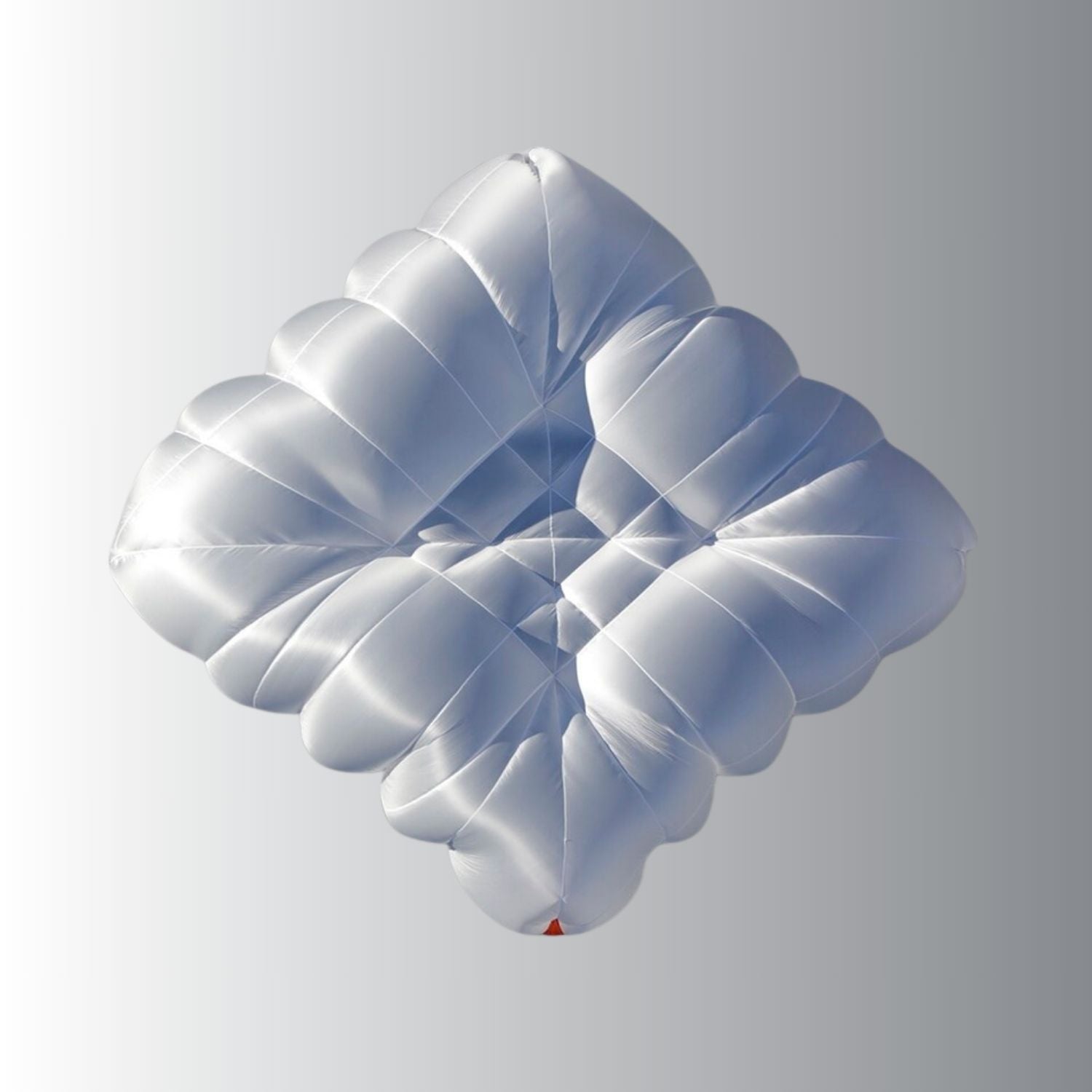
- Rescue device: Is the rescue parachute ready for use and is the release handle in the correct position?
- Helmet: Does the helmet fit, is it closed, and is the visor clean and free of scratches?
Wind and weather check
Current weather conditions play a crucial role in flight preparation and are key to a successful launch. Keep the following points in mind:
- Wind direction and strength: Is the wind laminar and is it blowing directly towards the launch site?
- Thermal conditions: How strong are the thermals, and is there turbulence?
- Weather development: Are there any signs of sudden weather changes, such as approaching clouds or thunderstorms?
Tip: Use apps or local weather stations to check the conditions. A really good weather app is We recommend the Burnair app. It is available from Paragliding24 at a special price with a CHF 10 discount on the annual subscription.
Launch site preparation
A well-prepared launch site is the basis for a safe takeoff.
Check:
- Obstacles: Are there any rocks, branches, or other obstacles in the launch area?
- Open space: Is there enough space to set up the glider and perform the launch maneuver?
- Flight route: Do you have your first flight route in mind, and is the airspace ahead of you clear?
- Have you checked the current airspace and reviewed the DABS and NOTAMS?
Mental preparation
Your mental state is crucial for a controlled launch. Take a deep breath and focus. Imagine the takeoff sequence: from setting up the glider to running and taking off. Avoid distractions from other pilots or spectators. Go through your checklist calmly and step by step.
Final check before takeoff
Immediately before takeoff, you should perform a final check:
- Check the lines: Are the control lines free and are there any crossed lines?
- Check the canopy: Is the canopy open evenly across the entire leading edge?
- Check the risers: Are they correctly positioned and do you have a secure grip on them?
- Have you chosen the best and most suitable launch option? Forward launch or backward launch?
- Is your helmet on your head and fastened?
- Check the launch site: Is the launch site and your flight corridor clear for takeoff?
- Wind window: Observe the wind and wait for a calm moment to pull up the canopy.
The official 5-point checklist for paraglider takeoff according to training
- Helmet, harness, and carabiners fastened? Check the reserve parachute: Are the split pins in the loops to prevent accidental opening?
- Lines and risers, accelerator if applicable, OK?
- Leading edge open, wing OK?
- Wind direction and strength OK?
- Air and launch area clear?
Common mistakes and how to avoid them
Even experienced pilots can make mistakes. Here are some typical problems and tips on how to avoid them:
- Twisted lines: Take your time to sort the lines carefully before opening the canopy.
- Incorrect harness settings: Check the settings of your harness regularly, especially if it is used by several people.
- Rushed launch: Patience is important. Only launch when all conditions are optimal.
- Inadequate weather check: Don't just rely on your gut feeling, use technical aids such as weather apps and windsocks.
Additional tips for successful launch preparation
Train regularly: Practice the launch procedure repeatedly on a practice slope to develop a routine.
Communicate: If you are flying in a group, coordinate with other pilots to avoid collisions or misunderstandings.
Stay flexible: Sometimes it is better to postpone or cancel the launch if conditions are not ideal. Safety comes first.
Conclusion
Thorough launch preparation is the basis for a safe and relaxed paragliding flight. With the right equipment, a clear 5-point checklist
,
and a conscious look at the weather andBy checking
the conditions,
you're setting the stage for an unforgettable experience in the air.Make sure you have enough time to get ready and don't rush. A controlled takeoff will give you confidence and let you enjoy your flight to the fullest.
Now it's up to you – get ready, take off, and enjoy the freedom above the clouds!
With this in mind, we wish you lots of fun flying and always happy landings!
Best regards
,Your Paragliding24.ch team
We Love Paragliding ❤️