























Guide to buying a paraglider – things to consider
Buying a paraglider is an exciting step for anyone who loves paragliding. But before you decide on a model, there are many factors to consider. In this comprehensive guide, I explain everything you need to know about buying a paraglider, from choosing the right paraglider to safety aspects and recommendations for beginners and professionals.
Why is the right paraglider so important?
A paraglider is not only a piece of sports equipment, but also a decisive factor for your safety and flying enjoyment. A suitable wing ensures that you fly stably, that control is easy, and that risk is minimized. When buying, you should therefore never just look at the price, but also at quality, safety class, and your personal abilities.
What are the different paraglider classifications?
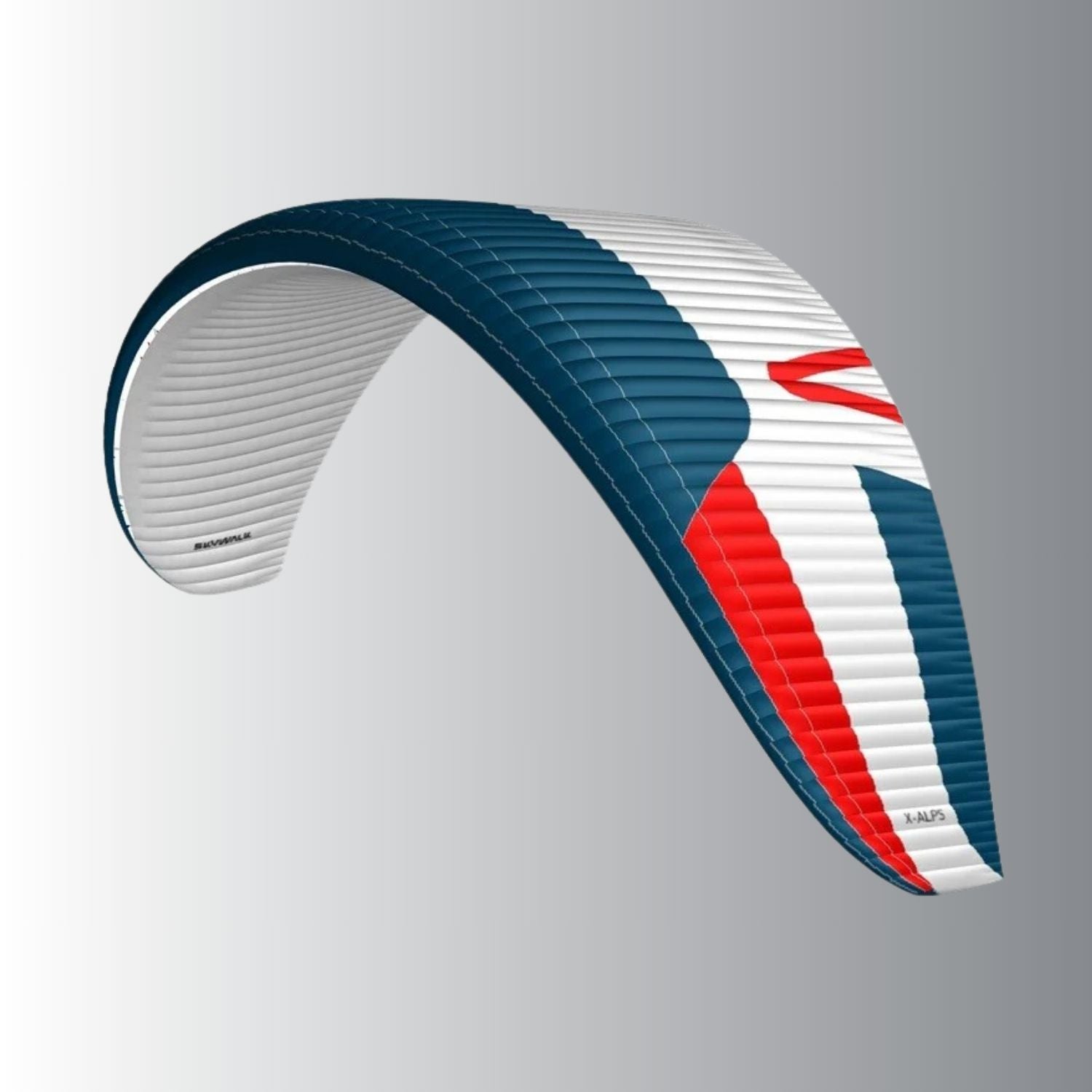
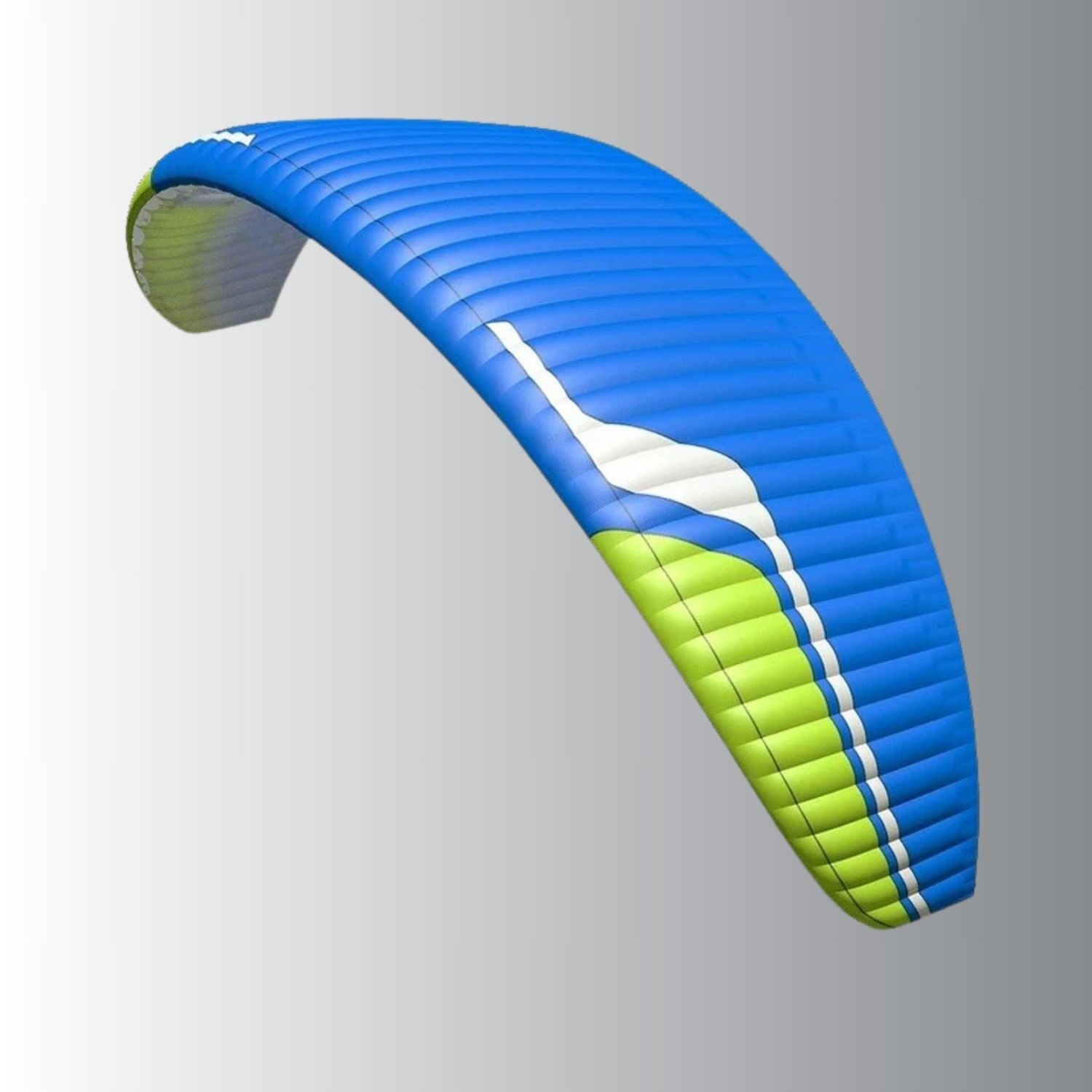
There are different paraglider classes, which differ according to experience, area of use, and flying style. In addition to the classes, paragliders aredivided into eithernormal gliders orlight gliders or hike & fly gliders.
Lightweight paragliders and hike & fly paragliders are optimized for the lowest possible weight. Accordingly, the paraglider canopy and lines are very thin to save weight. The service life of lightweight paragliders is correspondingly shorter than that of "normal" paragliders.
1. Beginner paragliders (EN-A divided into low-high)
A beginner paraglider is ideal for beginners because it is particularly stable and forgives steering errors. It offers a high level of passive safety and allows you to learn the basics safely.
Low EN-A paragliders = pilot training and new pilots | High EN-A gliders for new pilots with approx. 10-20 hours of flight time per year
2. Thermal paragliders (EN-B divided into low-mid-high)
EN-B paragliders are suitable for advanced pilots and offer a good balance of safety and performance. They are more responsive than EN-A gliders, but require a certain level of flying skill for safe control.
Low EN-B paragliders approx. 20-30 hours of flight time per year | Mid EN-B gliders approx. 30-50 hours of flight time per year | High EN-B gliders more than >50 hours of flight time per year.
Recommendation: Take a look at EN-B paragliders at Paragliding24.ch.
3. Performance paragliders (EN-C)
Performance paragliders, which fly fast and climb efficiently in thermals, are suitable for experienced pilots. However, they require more precise control and quick reactions to disturbances, i.e., advanced flying experience!
EN-C paragliders for pilots with more than 100 hours of flight time per year
4. Competition paragliders (EN-CCC or EN-D)
Competition paragliders arefor experienced professional pilots. Designed for pilots who require maximum performance and speed. They are responsive and demanding to fly,requiring precise control and extensive flying experience.
EN-CCC and EN-D paragliders for pilots with more than 200 hours of flight time per year
4. Tandem paragliders
If you want to fly with a friend or client, a tandem paraglider is the right choice. These gliders are larger, more stable, and designed for two people.
Safety
aspects when buying a
paraglider Safety should always be the top priority when buying a paraglider. Here are the most important points:
1. EN certification
All gliders should have EN certification. This standard specifies how safe a paraglider is in different flight conditions. EN-A is suitable for beginners, EN-B for advanced pilots, EN-C for frequent flyers and experienced pilots, and EN-D and EN-CCC for competition and professional pilots.
2. Material quality
High-quality materials ensure durability and safety. Look for sturdy lines, tear-resistant fabric, and high-quality fittings. Buy paragliders from reputable manufacturers such as Niviuk, Ozone, BGD, GIN Gliders, Icaro, Supair, Advance, Nova, or Swing Gliders. To be on the safe side, check with us.
3. Check before buying
Before buying, you should check the paraglider for possible damage, e.g., tears in the fabric or worn lines. A professional check is particularly recommended for used gliders.
Handling aspects of a glider
The handling aspects of a paraglider describe how the glider can be controlled on the ground and in the air and how intuitively it responds to pilot inputs. Important points here are:
-
Launch behavior: How easily the glider lifts off, remains stable above the head, and is ready for takeoff.
-
Brake pressure: The amount of force required on the brakes, from soft and comfortable to direct and sporty.
-
Responsiveness: How quickly and precisely the paraglider responds to control inputs.
-
Turning behavior: Smooth, controlled turns without excessive tilting.
-
Stability: Smooth flight behavior in turbulence and thermals.
-
Landing characteristics: Easily calculable final approach and effective braking on touchdown.
Good handling ensures greater control, safety, and flying enjoyment and should always match the pilot's level of experience
.Summary
New <span style="font-size:
BUT handling characteristics are a completely different story. They have a decisive influence on how safely, comfortably, and efficiently you fly. These characteristics vary significantly depending on the design and trim. The better you get along with the handling of a wing and the better it suits your flying style, the better and more efficiently you will fly. These factors are much more important than performance factors!
If you are unsure about which wing to choose or don't know exactly whether the wing's handling suits your flying style, we recommend that you test the wing with us beforehand.
Just send us a quick message and we will be happy to advise you--> Contact
Choosing the right size
The size of the paraglider depends on your weight and your level of experience. A wing that is too small is difficult to control, while one that is too large can be unstable. Manufacturers usually specify weight ranges that should be strictly adhered to.
Calculate your takeoff weight
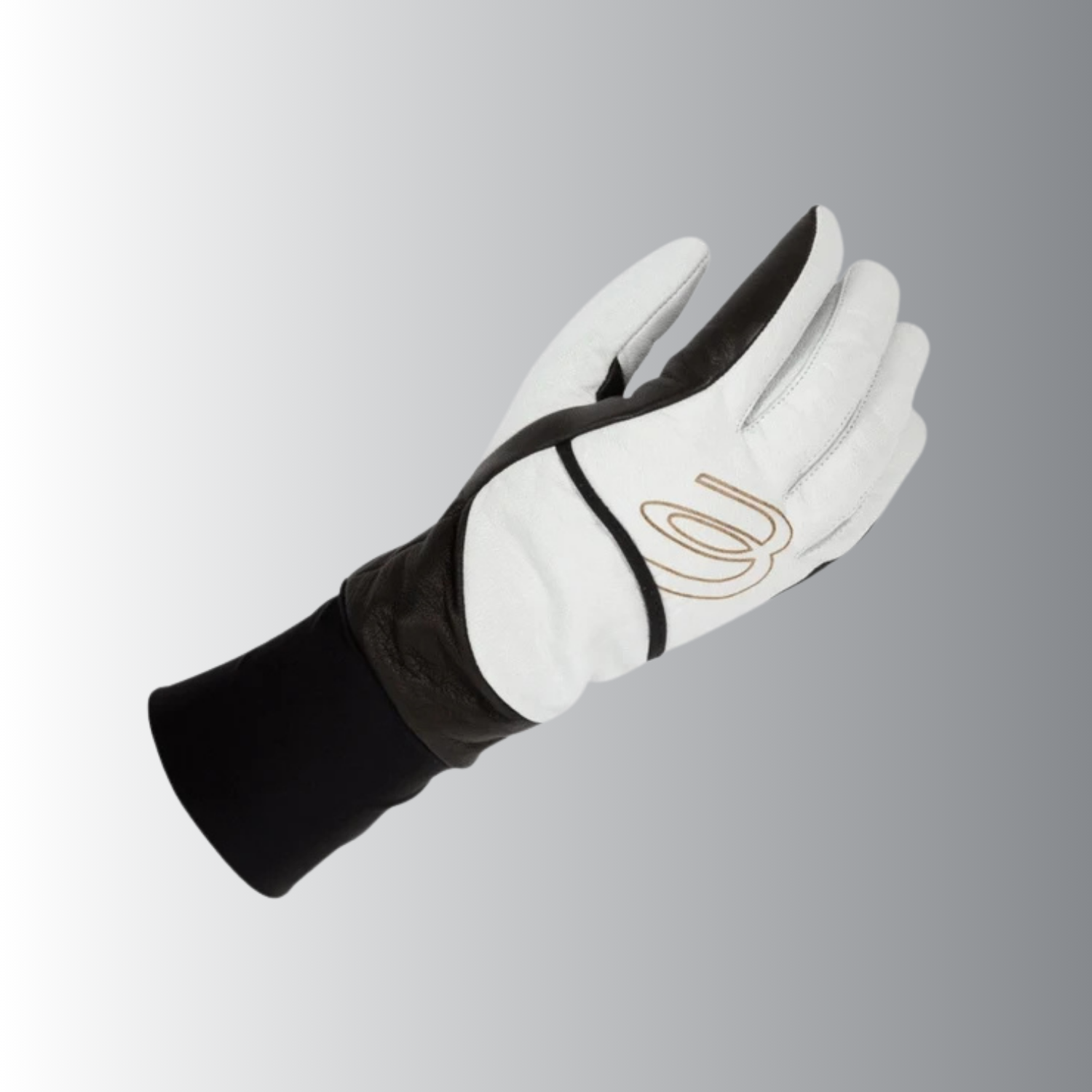
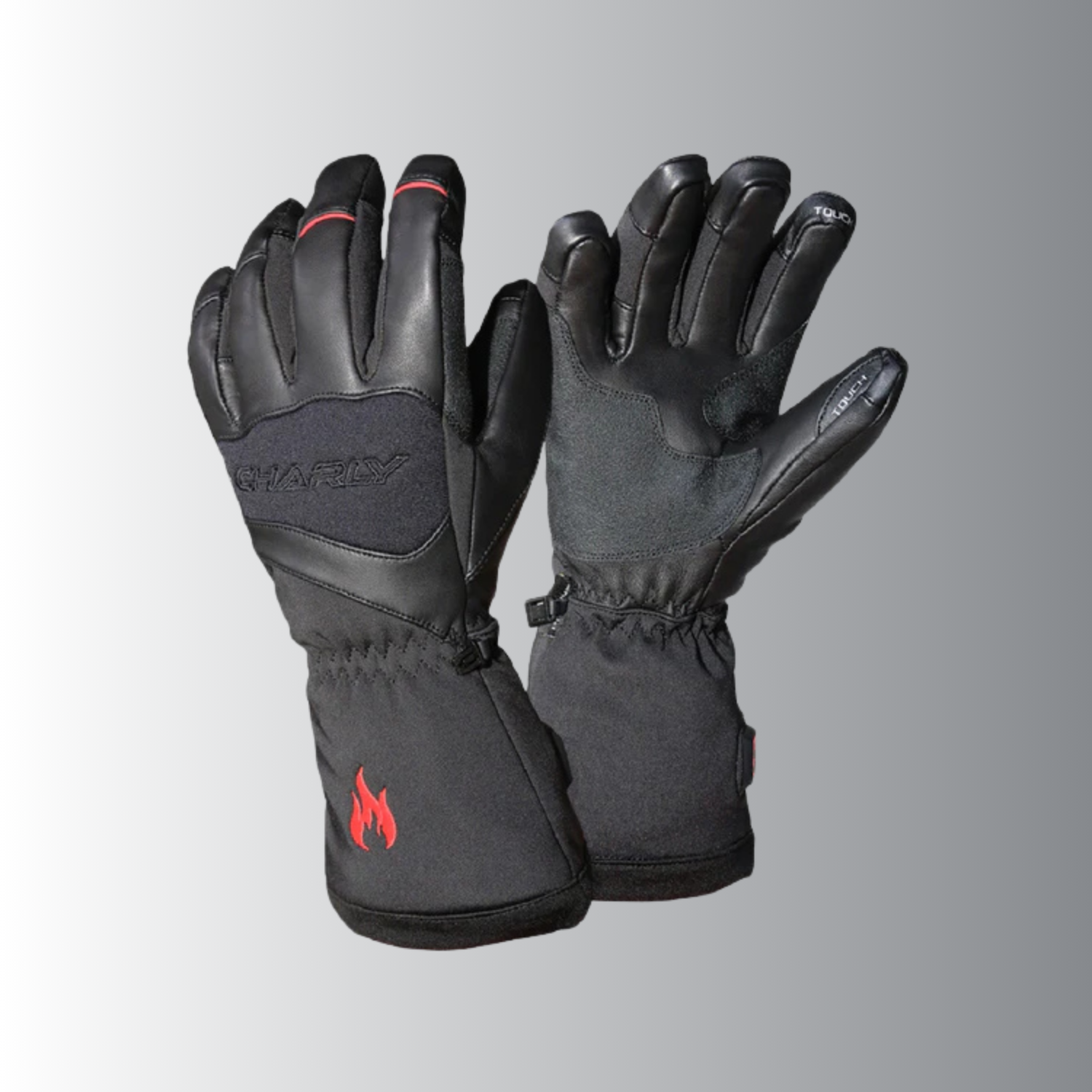
To find the correct paraglider size, you must first calculate your takeoff weight. This consists of the pilot's weight including clothing and complete equipment (harness, reserve parachute,jacket, gloves, helmet, vario, cell phone, etc.) plus the weight of the glider.
Your takeoff weight is the total weight with which you fly:
-
Your body weight
-
Clothing and shoes
-
Harness
-
Paraglider
-
Rescue parachute
-
Helmet
-
Rucksack
-
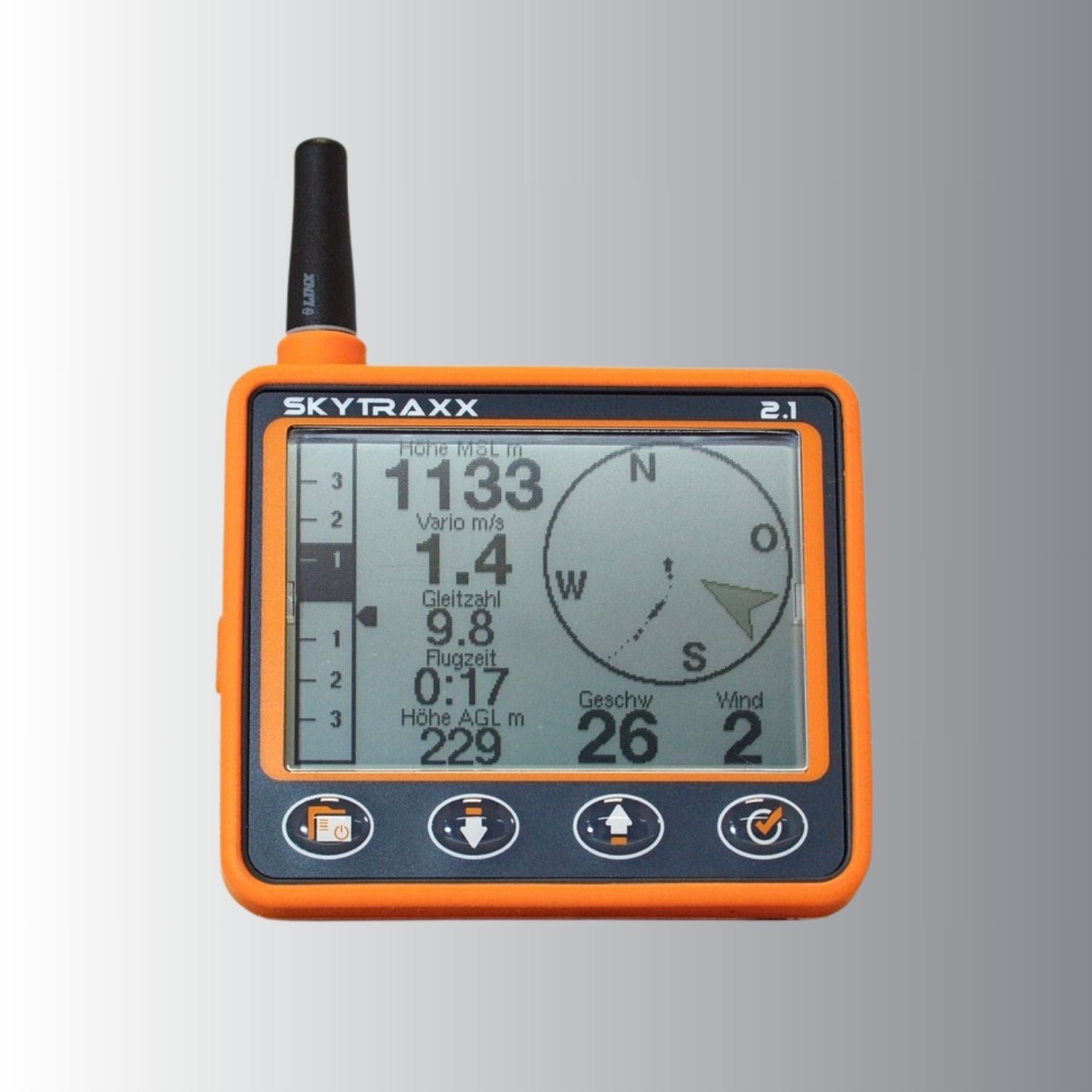
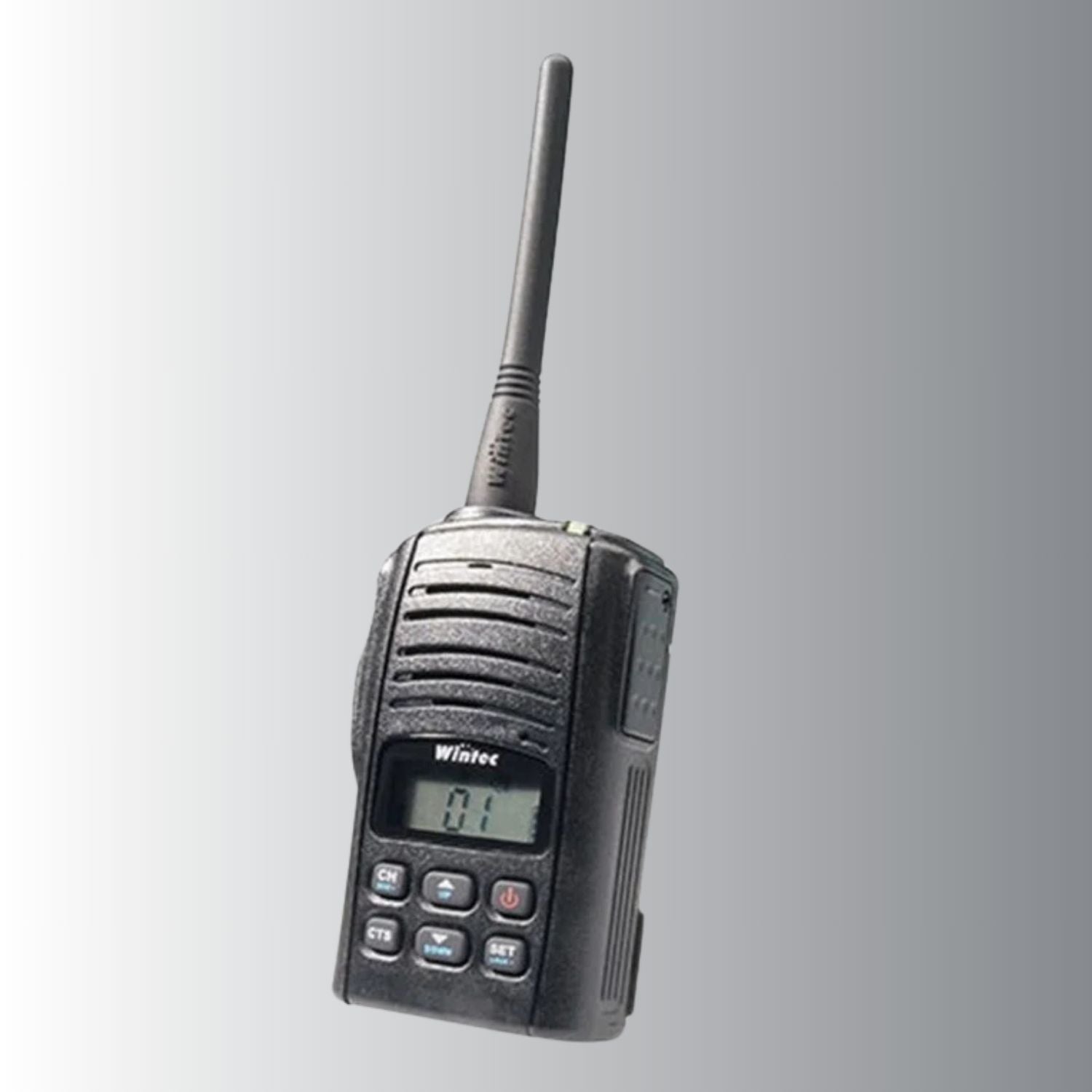
Instruments (vario, GPS, radio)
-
Optional: Ballast
Example
- data-end="494">Pilot: 78 kg + complete equipment: 17 kg = ➡️Takeoff weight 95 kg
Important: Always use the manufacturer's weight table and check carefully before purchasing whether your calculated takeoff weight corresponds to the selected wing size. Ideally, your take-off weight should be in the upper third of the weight range for modern paragliders.
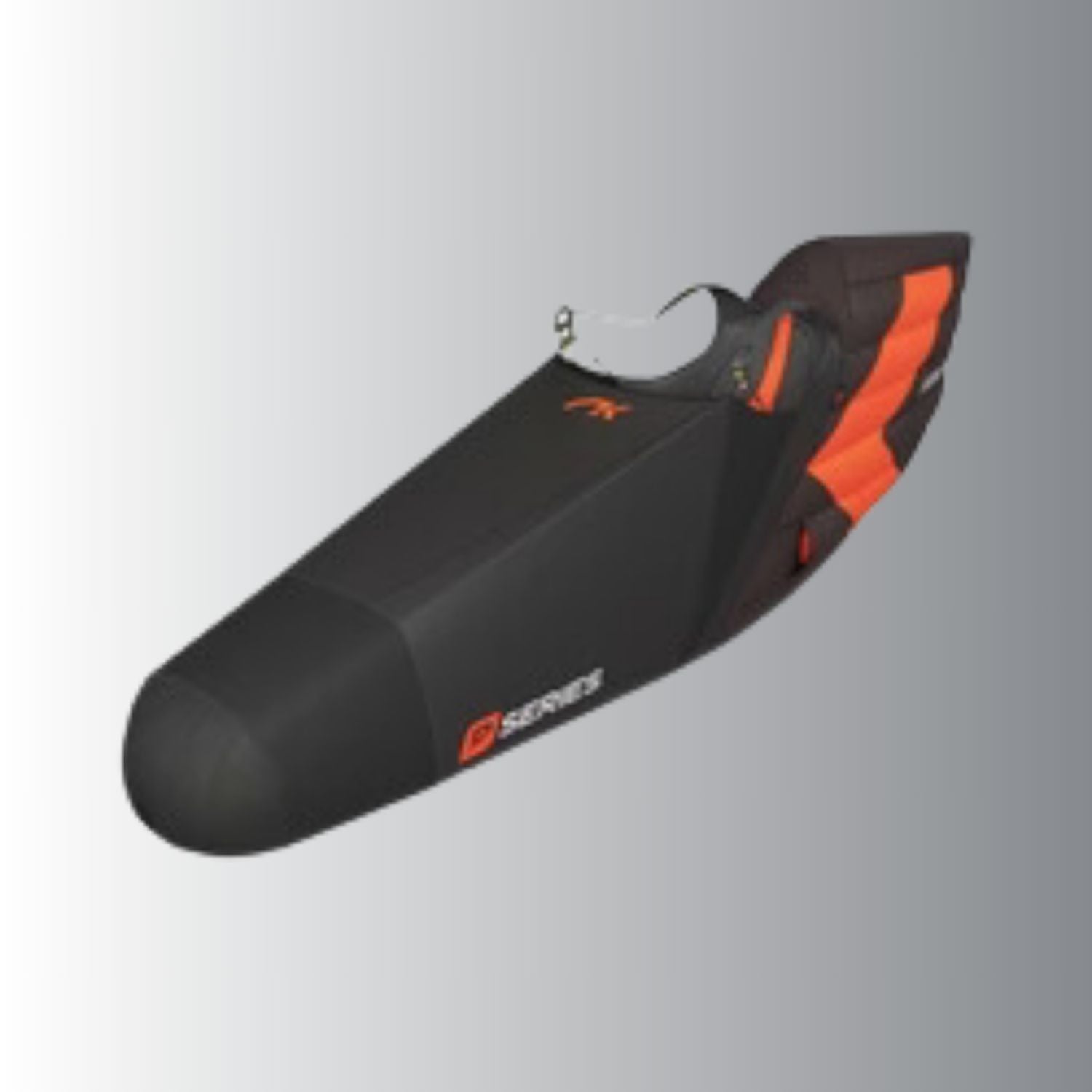
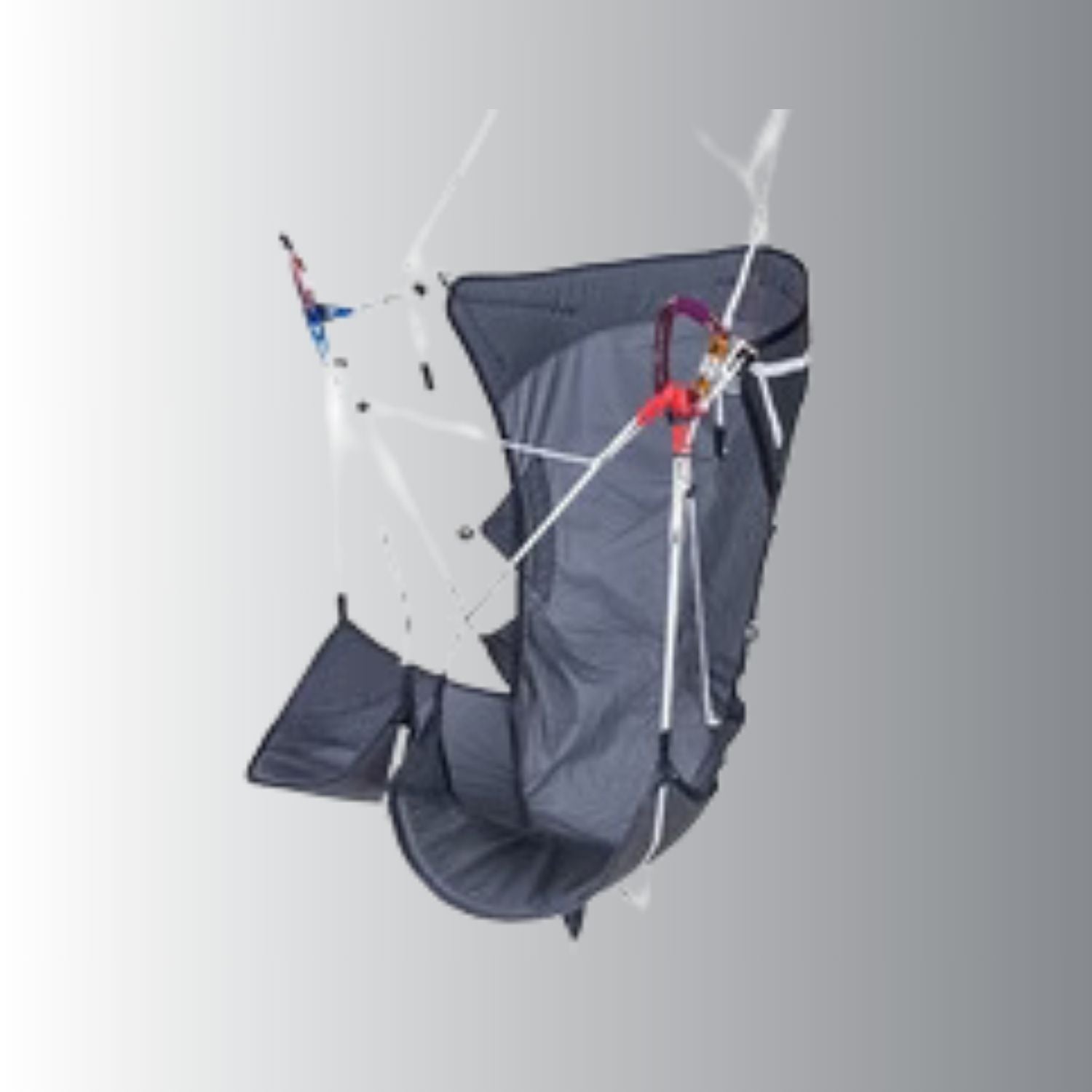
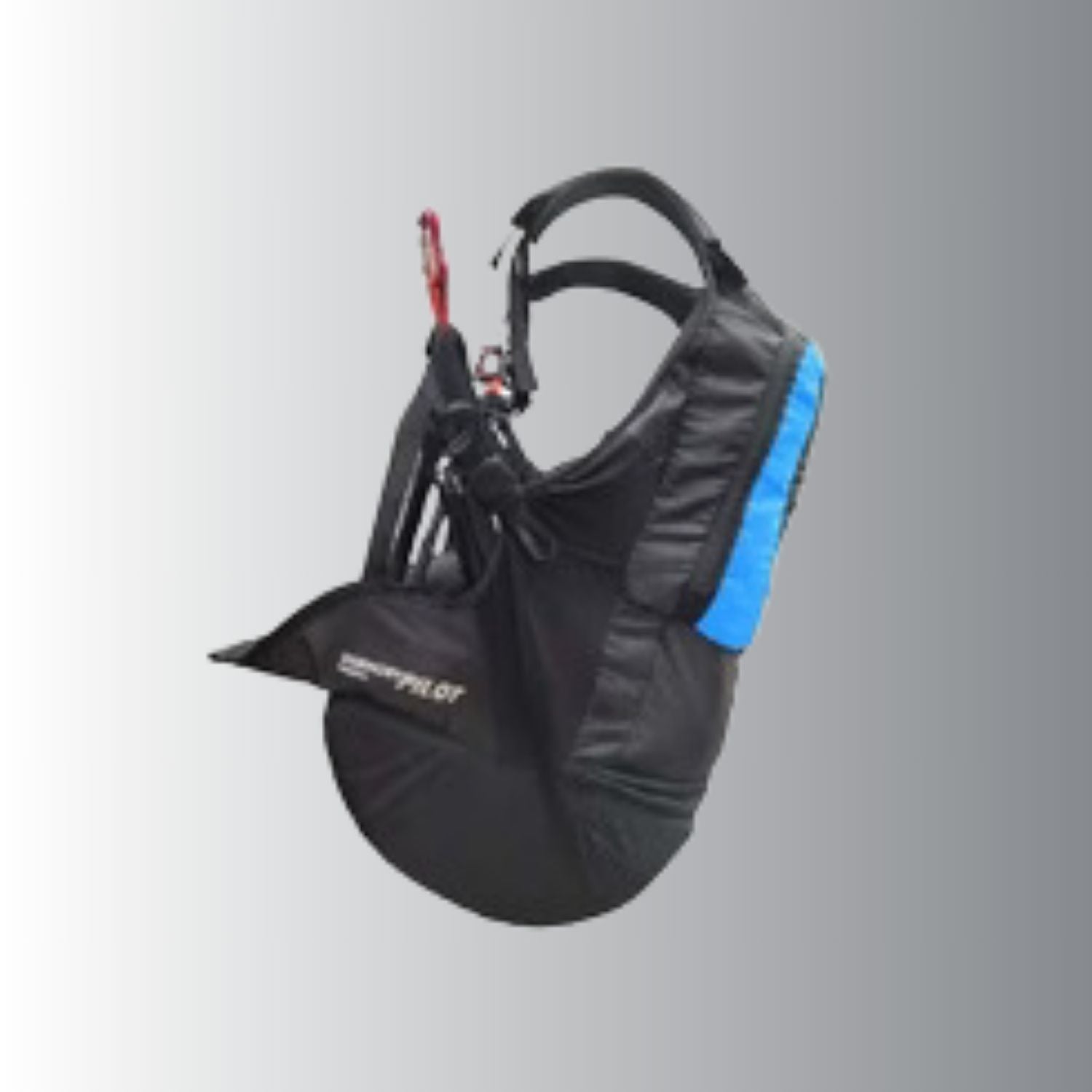
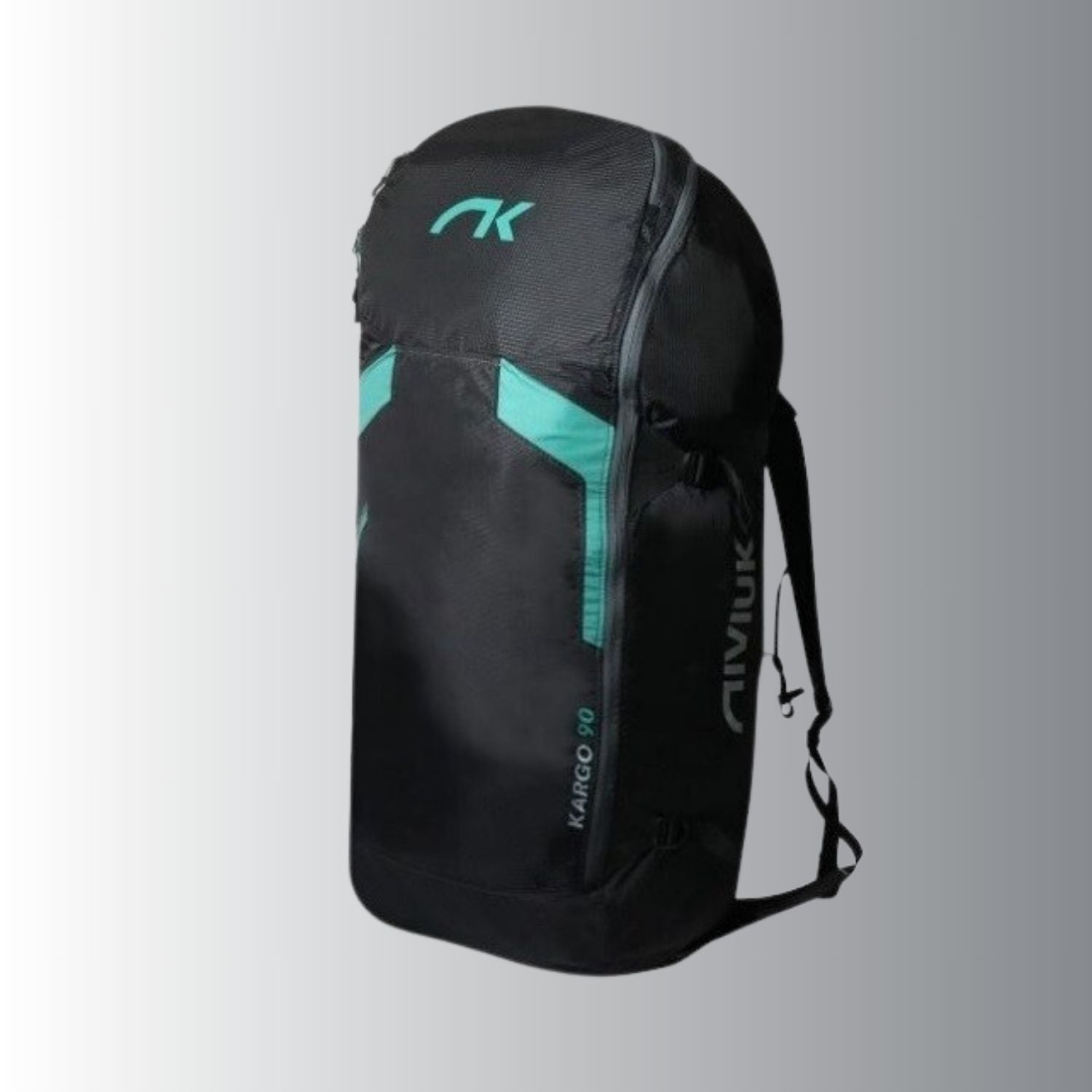
Accessories for your paraglider
In addition to the wing itself, you will also need the appropriate accessories:
-
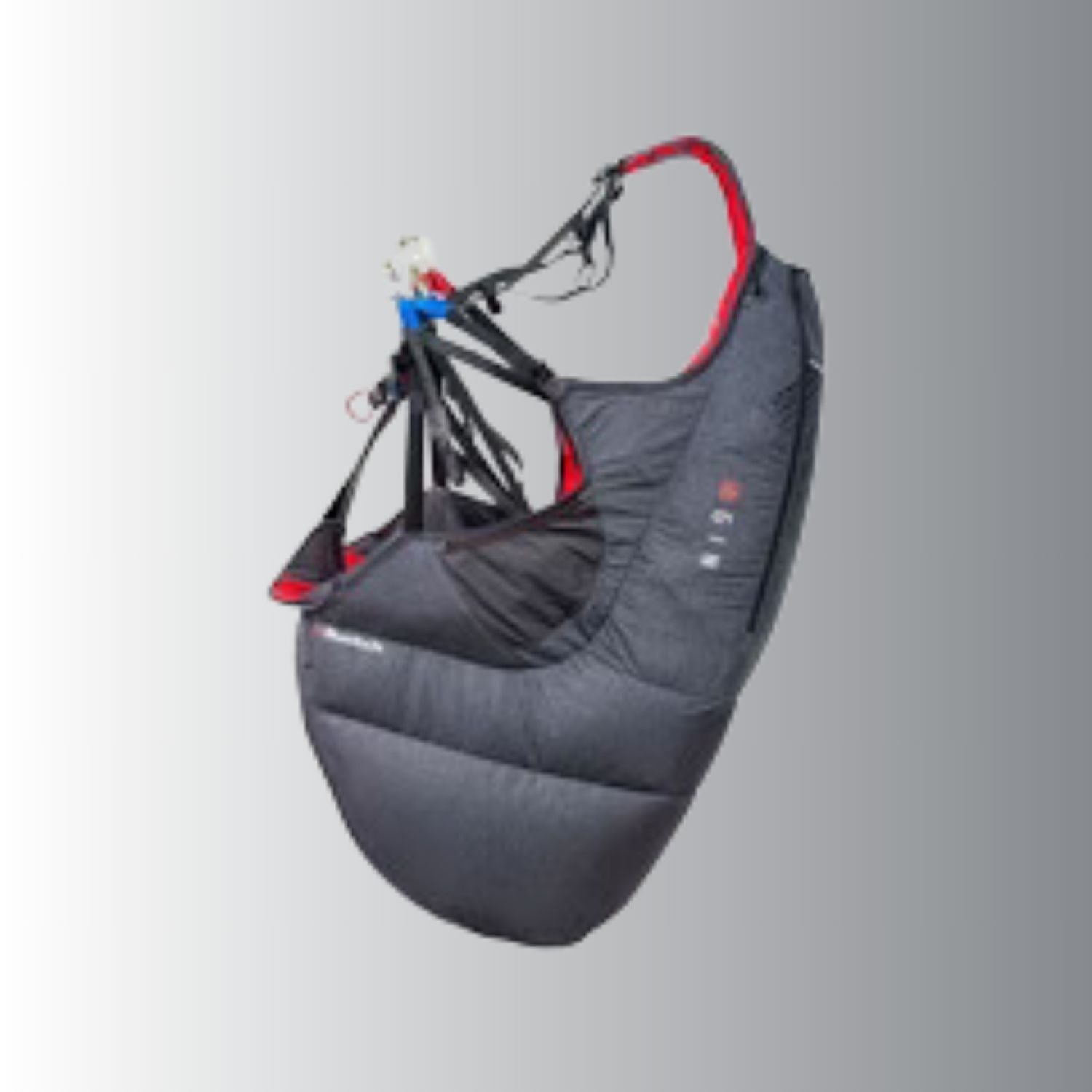
Harness: Comfortable and safe, should match the wing.
-
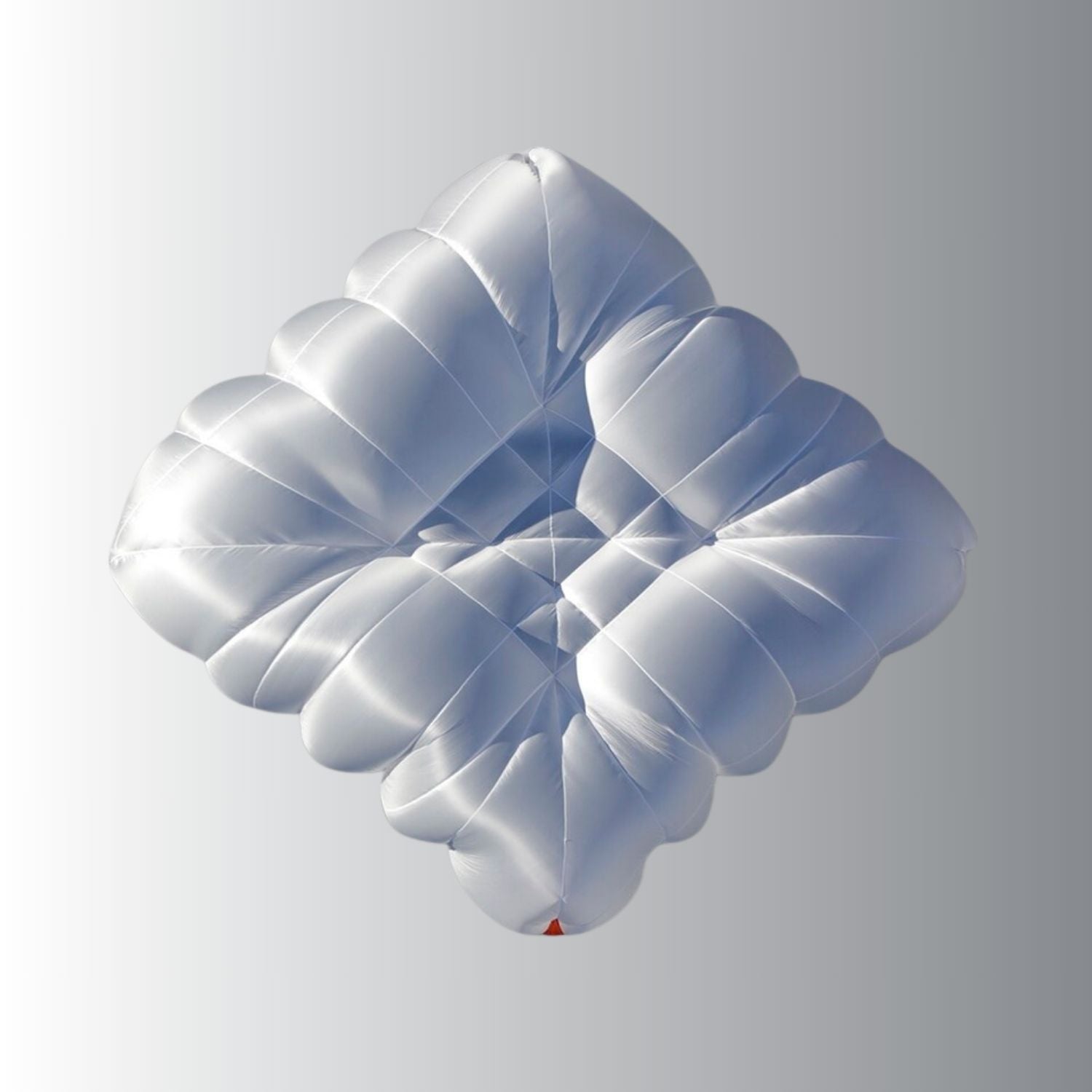
Rescue parachute: Life-saving in case of problems in the air.
-
Helmet: Mandatory and protective at the same time.
-
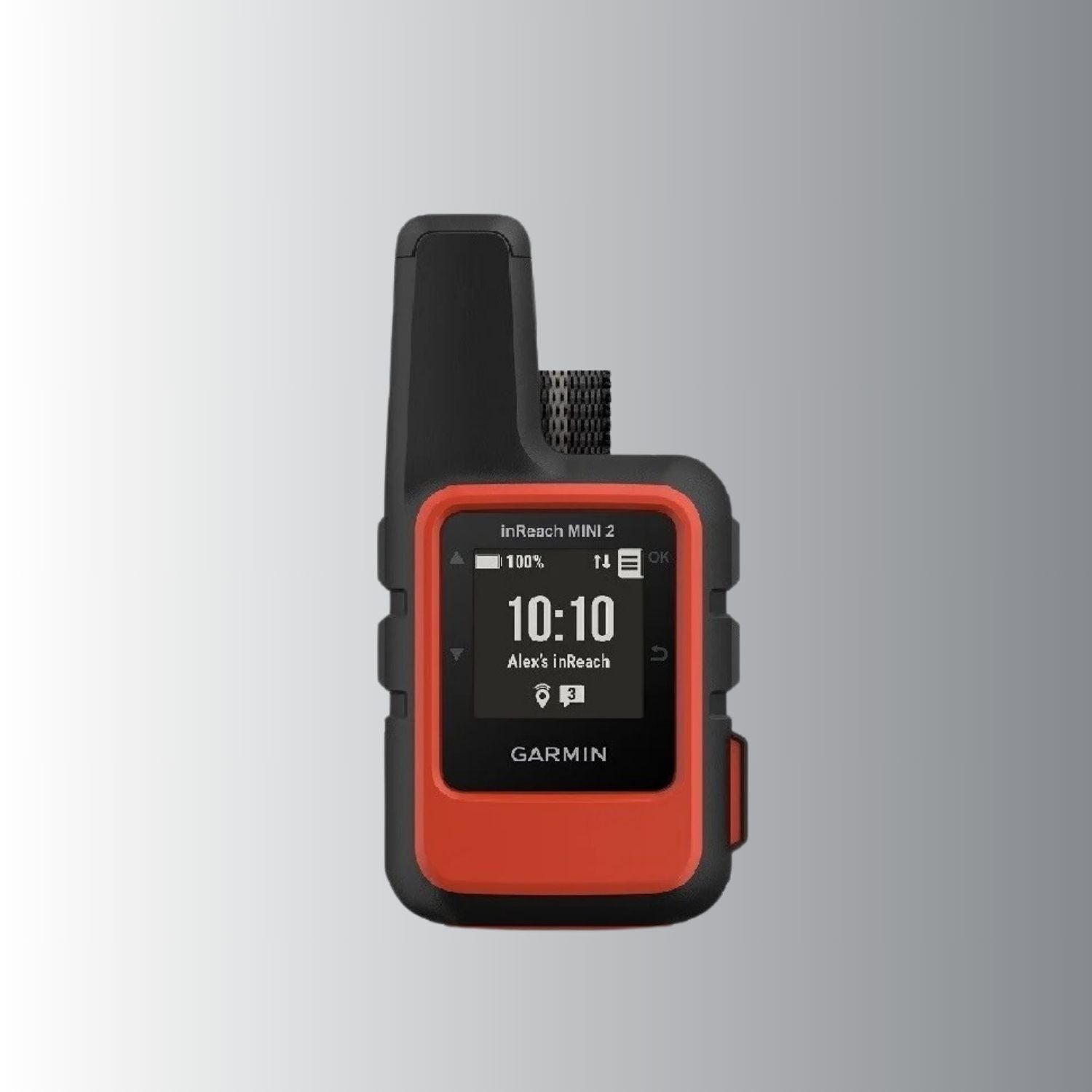
Variometer and GPS: Useful for advanced pilots.
You can find high-quality accessories at Paragliding24.ch.
Tips for beginners
If you are new to paragliding, please note the following points:
-
Attend a flight school: Learn the basics under professional guidance.
-
EN-A glider for beginners: A stable, easy-to-control glider minimizes risks.
-
Progress slowly: Avoid challenging thermal flights.
-
Check weather conditions: Only fly in good weather.
Tips for advanced pilots
As an experienced pilot, you can pay attention to the following points:
-
Choose a high-performance wing: Higher speed and better use of thermals.
-
Lightweight lines and optimized material: For longer distance flights.
-
Expand your safety equipment: Optional second-generation rescue parachute.
Common mistakes when buying a paragl
ider Cheap offers often seem like a bargain. But in the end, they usually aren't. Pay attention to quality,safety, size, andyour flying level.
-
Focusing solely on price: Cheap gliders can be unsafe.
-
Buying a model that is too big or too small: Fit is crucial.
-
Not seeking professional advice: A specialist dealer can provide valuable information.
Conclusion
Buying a paraglider requires careful consideration. Pay attention to your experience, the right size, safety certificates, and high-quality materials. A suitable glider ensures more fun, longer flights, and maximum safety.
If you want to buy a paraglider, be sure to check out Paragliding24.ch, where you will find a large selection of models for beginners, advanced pilots, and professionals.
With the right paraglider, you'll be well equipped for unforgettable flights and unique experiences in the air.
Have fun shopping and choosing ✨
With this in mind...
Best regards
,YourParagliding24.chteam
We Love Paragliding ❤️