






















FAQ – Frequently asked questions about paragliding – Everything you need to know about paragliding 🪂
In this blog, you will find a detailed FAQ – Frequently asked questions about paragliding. We answer the most common questions about technology, safety, flying practice, and equipment to help you better understand paragliding.
What is paragliding?
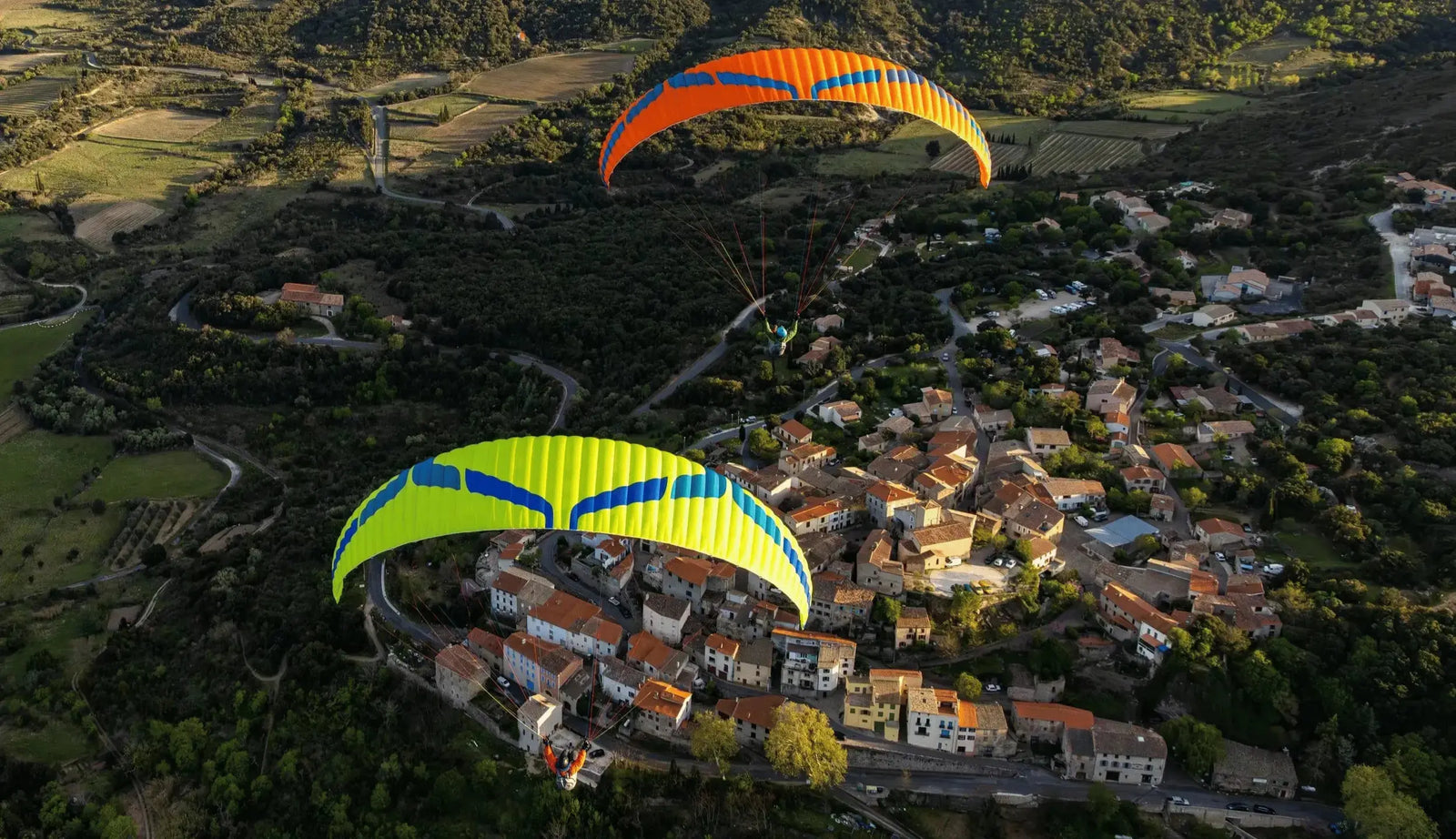
Paragliding is a form of flying in which pilots glide silently through the air with the help of a flexible paraglider. The flight is based on the same aerodynamic principles as gliding or hang gliding.
The only propulsion is gravity in combination with thermals and wind. In calm air, a loss of altitude of 1000 meters can result in a flight distance of around 9 kilometers.

The secret behind long flights: thermals and sun
The real miracle of paragliding is solar energy. The warming of the earth's surface creates rising air masses (thermals). When a paraglider encounters such updrafts, the pilot can gain altitude instead of sinking.
This makes flight times of 6 to 7 hours and cross-country flights of several hundred kilometers possible – without any engine, fuel, or noise.

Why is Switzerland ideal for paragliding?
Switzerland is one of the best countries in the world forparagliding:
-
Alps, Pre-Alps, and Jura
-
reliable thermal conditions
-
Numerous official take-off and landing sites
-
very well-developed paragliding schools
- Top infrastructure (mountain railways, public transport, hiking trails, roads and highways, restaurants)
Thanks to solar energy, rising air masses are created that enable cross-country flights of several hundred kilometers – just like birds, without fuel and without noise.

What is a paraglider?
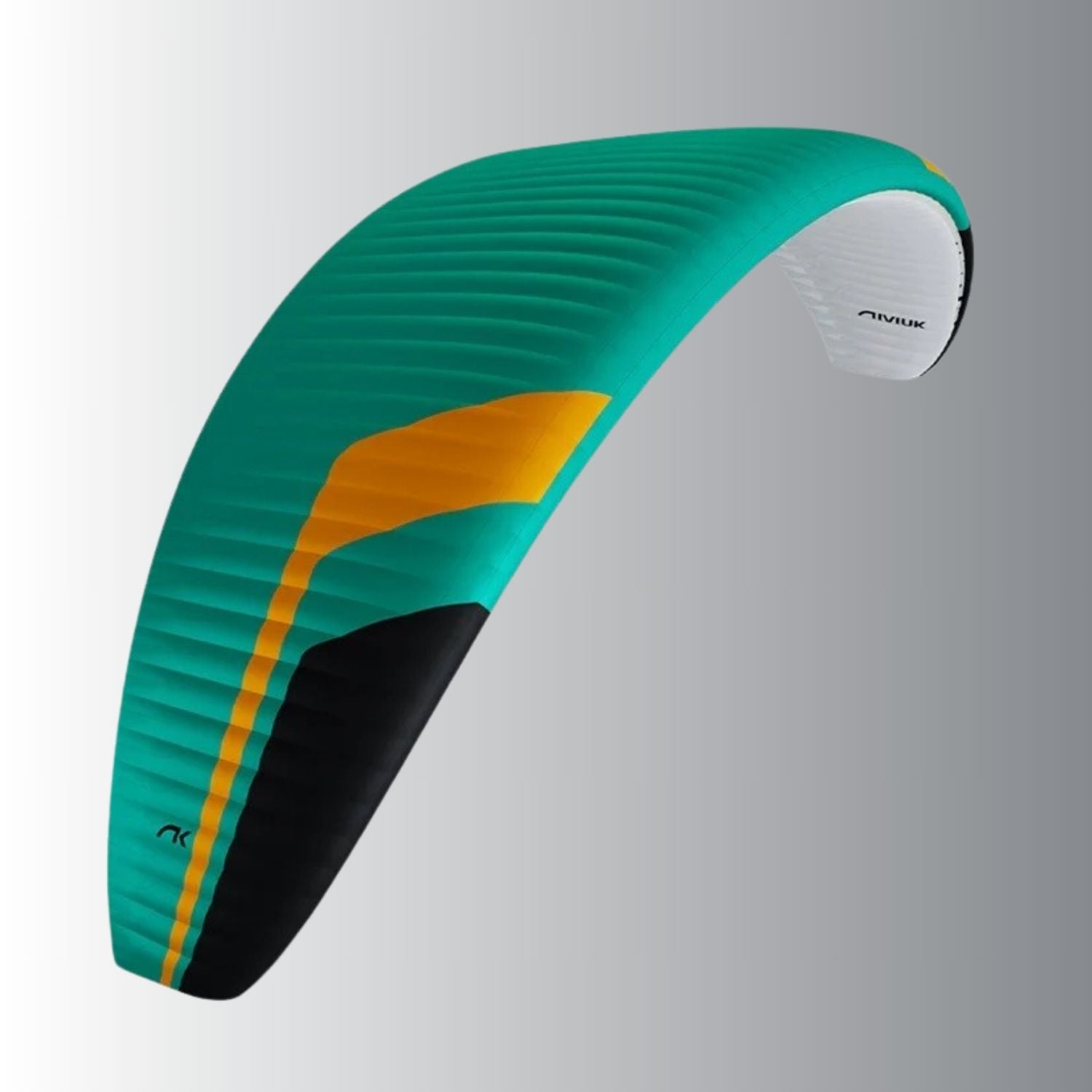
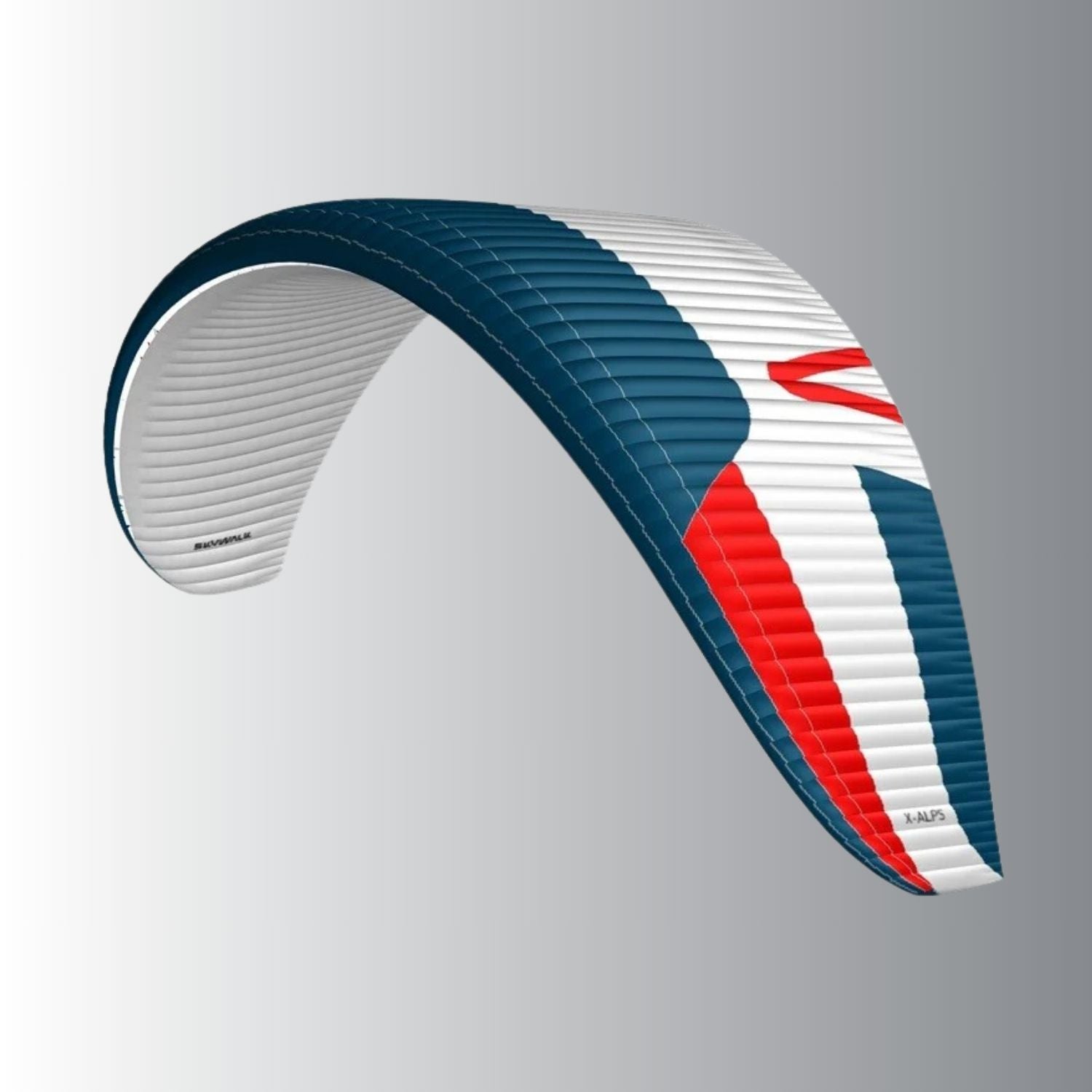
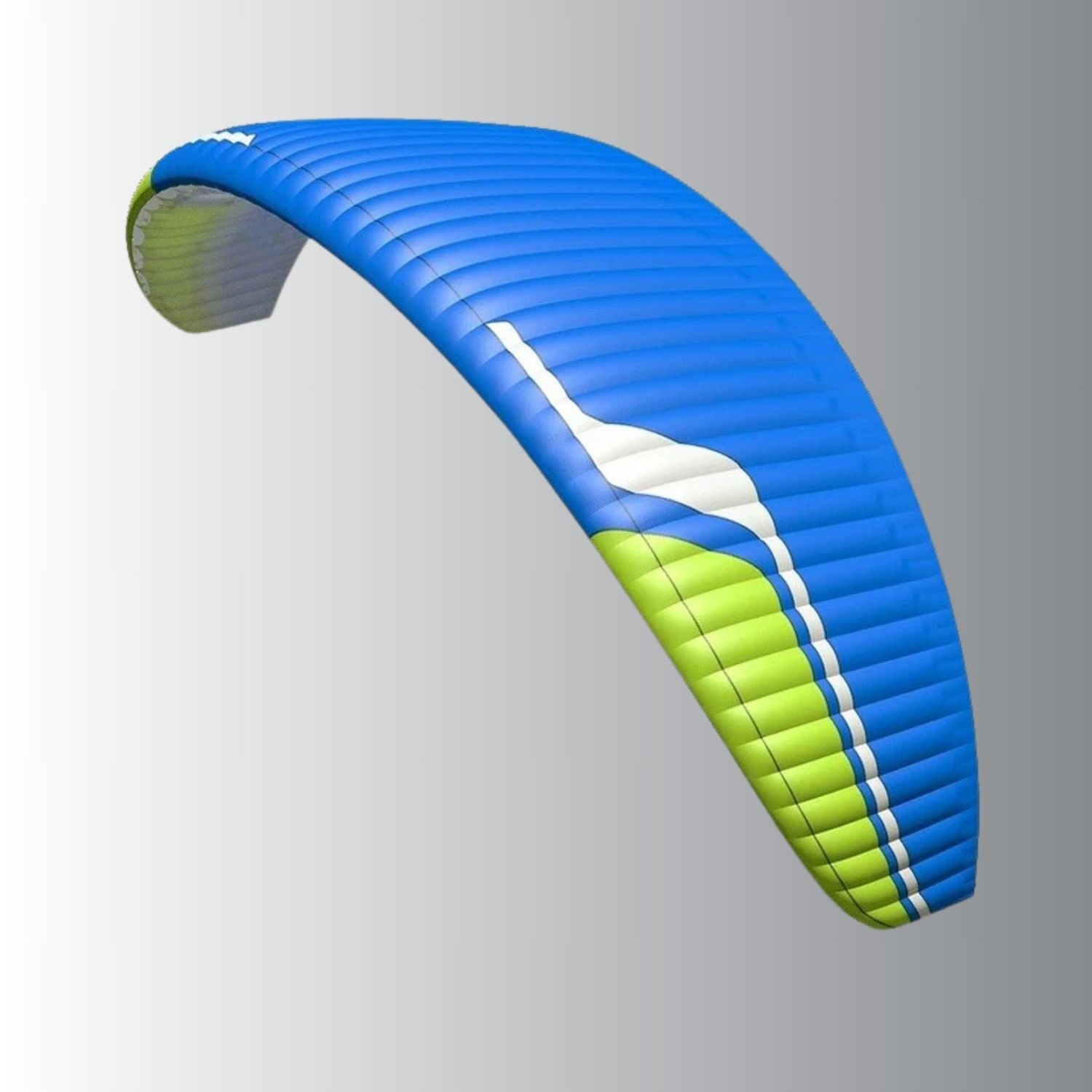
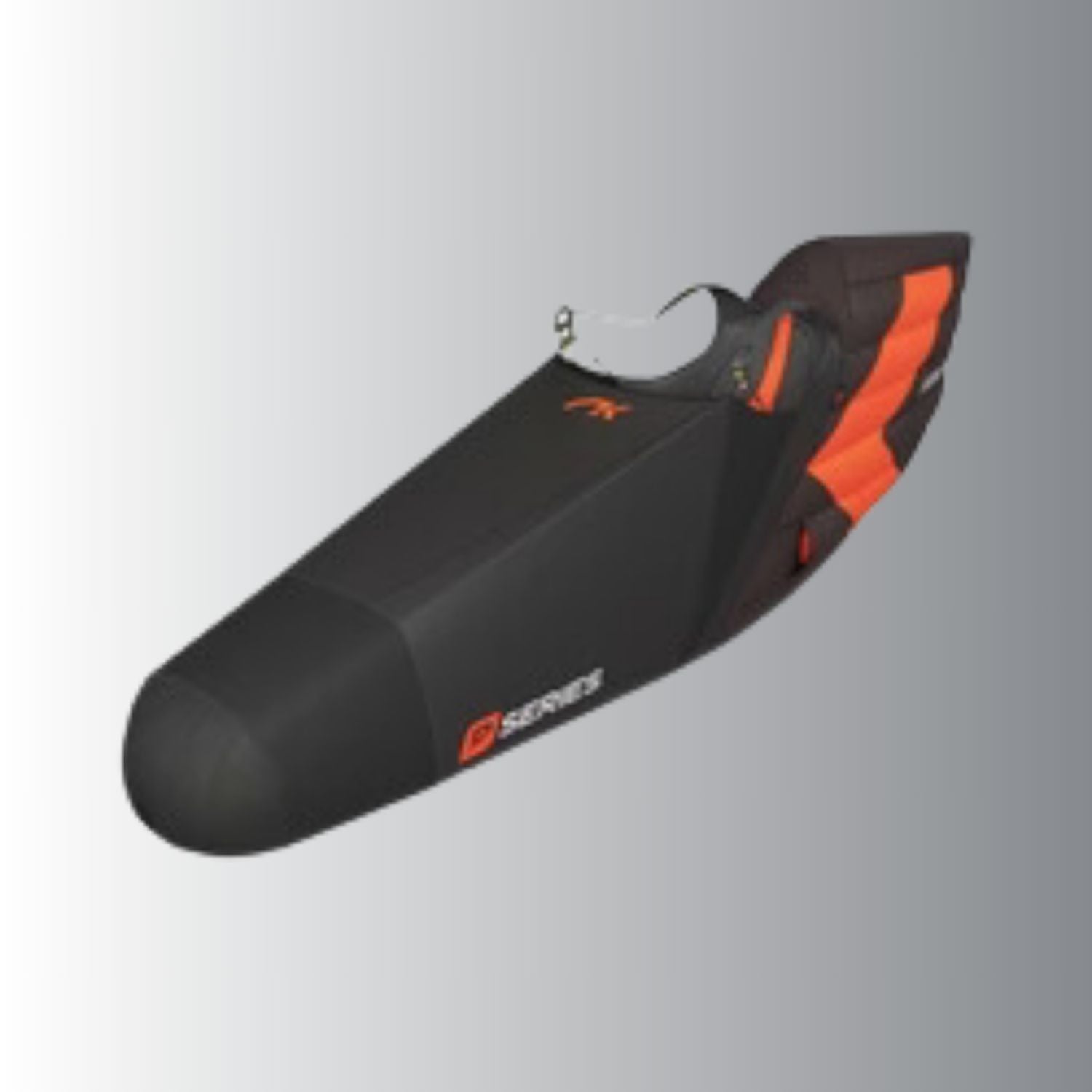
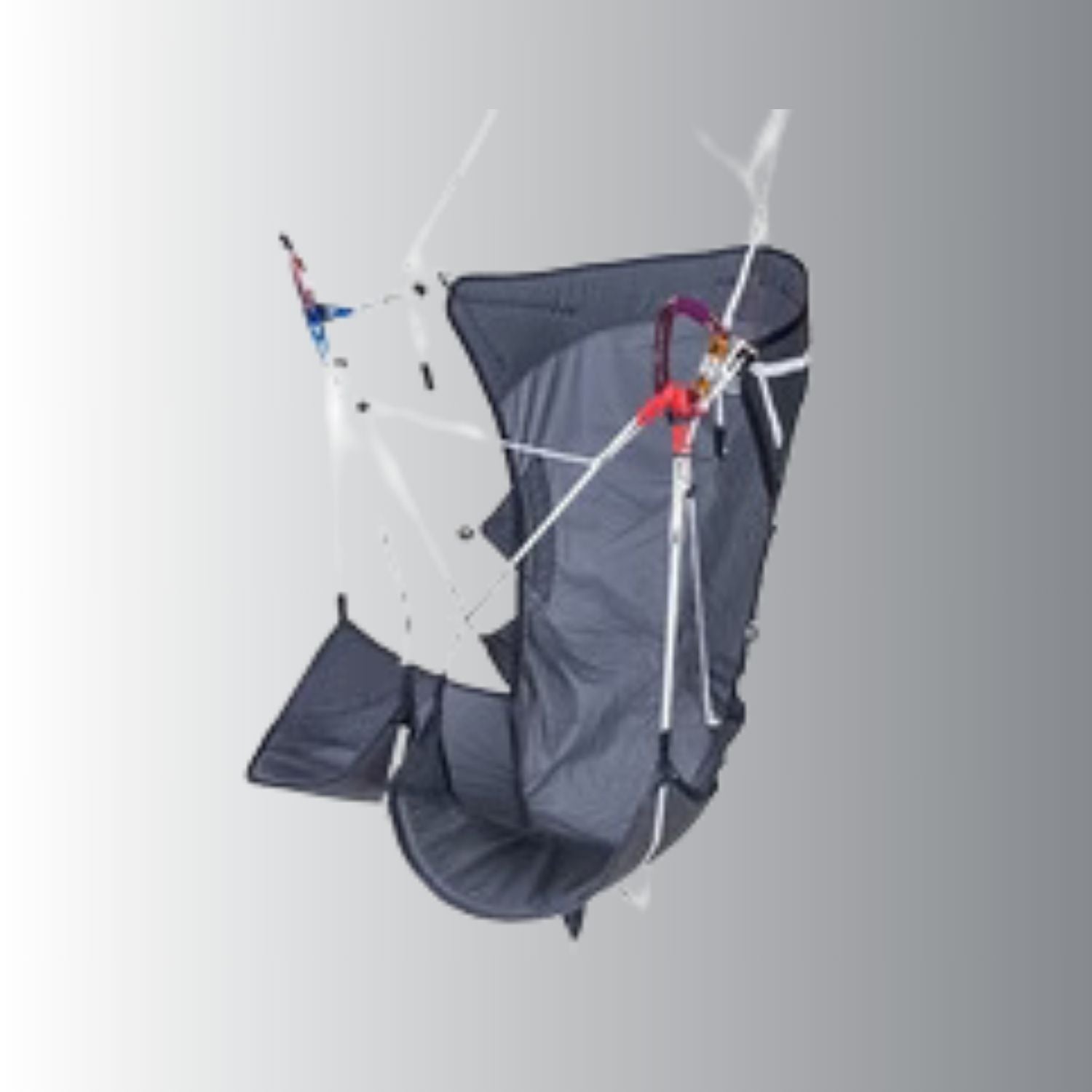
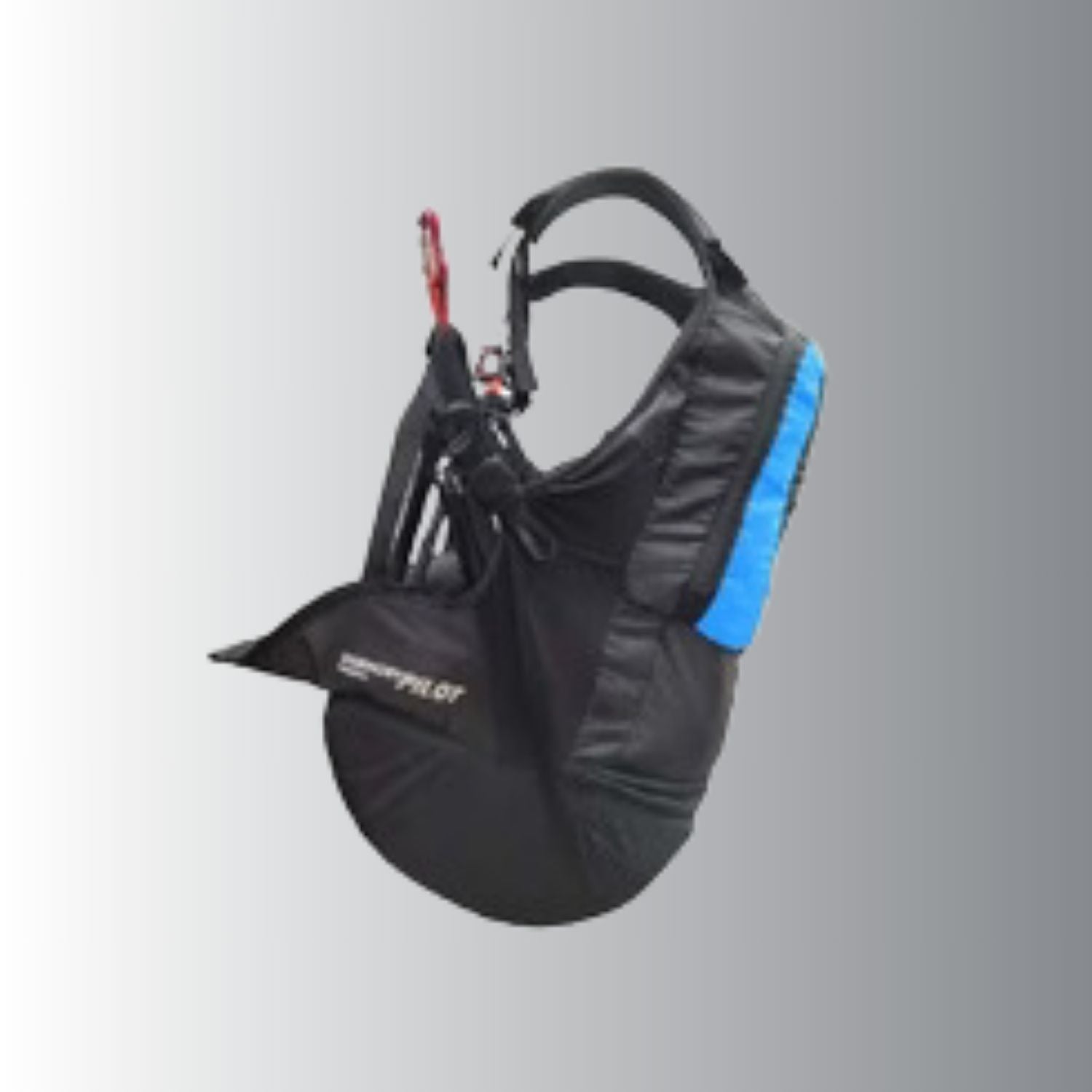
A A paraglider consists of an air-filled fabric canopy, sturdy lines, and harnesses from which the pilot hangs in a comfortable seat.
Modern paragliders are lightweight, powerful, and very stable. Despite technical advances, the same basic aerodynamic principles apply as for airplanes.
How do you take off, steer, and land when paragliding?
Takeoff is from the ground. The glider is pulled up over the head and launched with a few steps against the wind.
The paraglider is controlled via brake lines that affect the rear edge of the glider. The landing is gentle and controlled – often no more than a few steps.

Paragliding or hang gliding – the difference
A hang glider has a rigid construction and is larger, heavier, and faster. A paraglider, on the other hand, is flexible, lightweight (approx. 10–15 kg), and fits in a backpack.
This makes paragliding easier to learn, especially for beginners.

How dangerous is paragliding really?
With good training, modern equipment, and responsible behavior ,paragliding is considered arelatively safe flying sport, even one of the safest among flying sports. Mostaccidents are caused by incorrect weather assessments or overestimating one's own abilities. In Switzerland, clear rules and high training standards ensure additional safety.
Do I need a license to paraglide?
In Switzerland
, yes. Anyone who wants to paraglide independently in Switzerland needs a paragliding license from the SHV (Swiss Hang Gliding Association).
The license is obtained after thorough theoretical and practical training and passing the official exam. Only then is independent flying permitted.
In Germany
In Germany, the situation is slightly different. To be allowed toparaglide independently in Germany, you need a paragliding license (A license). This can be obtained from the DHV (German Hang Gliding Association). To qualify, you must complete theoretical and practical training at a recognized flight school and pass the official exam. Only then are you allowed to fly independently. For cross-country flying, you need to take another exam for the paragliding license (B license).
How long does paragliding training take?
Paragliding training in Switzerland usually takes 3 to 6 months.(fast), or 6-12 months (slow) depending on weather, time spent, and learning progress. Intensive courses can shorten the duration.
How much does paragliding training cost in Switzerland?
The cost of complete paragliding training is usually between 2500 and 4000 CHF, including training, theory, high-altitude flights, and exam fees (excluding your own equipment).
Can you try paragliding without any experience?
Yes. A tandem paragliding flight in Switzerland is possible without any prior knowledge. You fly with a state-certified tandem pilot – ideal for beginners, tourists, and gift ideas.

How old do you have to be to learn paragliding?
In Switzerland, you can usually start training from the age of 14 (with parental consent). There is no upper age limit – health and fitness are the decisive factors.
How fit do you need to be for paragliding?
Normal physical fitness is sufficient. You should be able to walk a few steps, especially during takeoff and landing. Competitive sports are not required.
In what weather conditions can you paraglide?
Paragliding is possible in:
-
Stable weather (usually high pressure conditions 1018-1025 hPa)
-
Good thermals (temperature drop of 0.5-0.8 degrees per 100 meters of altitude)
-
moderate wind (0-25 km/h)
- Good visibility
Flying is not possible in thunderstorms, strong winds, rain, or fog. Meteorology is a central part of the training.
✅ Characteristics of stable weather (suitable for flying)
Blue sky or only a few harmless clouds
Light to moderate wind (steady, not gusty)
No tendency for thunderstorms
Good visibility (no haze, no fog)
Cool mornings, slow warming
Often high pressure
➡️ Ideal for beginners, training flights, and tandem flights
⚠️ Signs of unstable weather (critical)
Rapidly growing
cumulonimbus
clouds
(thunderclouds)
Gusty winds, strong changes in direction
Dust devils, downdrafts
Sudden changes in weather
Strong thermals at midday
➡️ More suitable for very experienced pilots – often not flyable at all
What are thermals?
Warm air rises. This warm rising air is called thermals. How well warm air rises depends largely on the temperature gradient between the individual layers of air in the atmosphere. The greater the temperature difference, the more intensely rising warm air bubbles can develop.

In the gliding weather forecasts from wetter.com, thermal quality is classified as follows based on the temperature drop per 100 meters of altitude (in °C):
-
below 0.5 degrees → low thermals
-
0.6 degrees → light thermals
-
0.7 degrees → moderate thermals
-
0.8 degrees → moderate to good thermals
-
0.9 degrees → good thermals
-
1.0 degrees → very good thermals
For paragliders, thermals with a temperature gradient of 0.9 to 1.0 °C can already be very strong. Such conditions are often turbulent and the thermals are frequently difficult to center cleanly, especially when the thermal cores are still narrow near the ground.
Moderate to good thermal conditions are generally considered particularly pleasant for paragliders (according to the gliding weather report). These often offer the best balance between climb and controllability, especially when the predicted thermal base in flat terrain is above 1500 meters MSL.
Where are the best places for paragliding in Switzerland?
Very popular areas are:
-
Interlaken
-
Engelberg
-
Valais (e.g., Fiesch, Verbier)
-
Ticino
-
Flims / Laax
-
Jura
-
Grindelwald
- Prättigau/Davos
These regions offer good thermals, beautiful landscapes, and official launch and landing sites.

How high and how far can you fly with a paraglider?
With good thermals, it is possible to gain several thousand meters in altitude. Cross-country flights of over 200 kilometers are not uncommon in Switzerland for experienced pilots.
Is paragliding noisy?
No. Paragliding is almost silent. You usually only hear the wind – a big advantage over motorized types of flight.
What happens if there is no wind?
You can still fly even without wind, as long as there are thermals. Wind is helpful, but not essential. The weather conditions are the decisive factor.
Can you paraglide all year round?
Yes, paragliding in Switzerland is generally possible all year round. Spring, summer, and fall are particularly popular. In winter, people often take off on skis.
What is the difference between a tandem flight and a solo flight?
-
Tandem flight: You fly in pairs. The trained tandem pilot controls the glider. For the customer, ktraining is
-
Solo flight: You fly alone. Training, a license, and your own equipment are required.
Is fear of heights a problem when paragliding?
Surprisingly, no. Many people with a fear of heights have no problems at all with paragliding, as there is no direct contact with the ground.
What insurance do you need for paragliding?
In Switzerland, liability insurance is mandatory. Many pilots also take out accident or supplementary insurance for air sports.
How much does paragliding cost
? A new paraglider costs around CHF 3,000–6,000. You will also need:
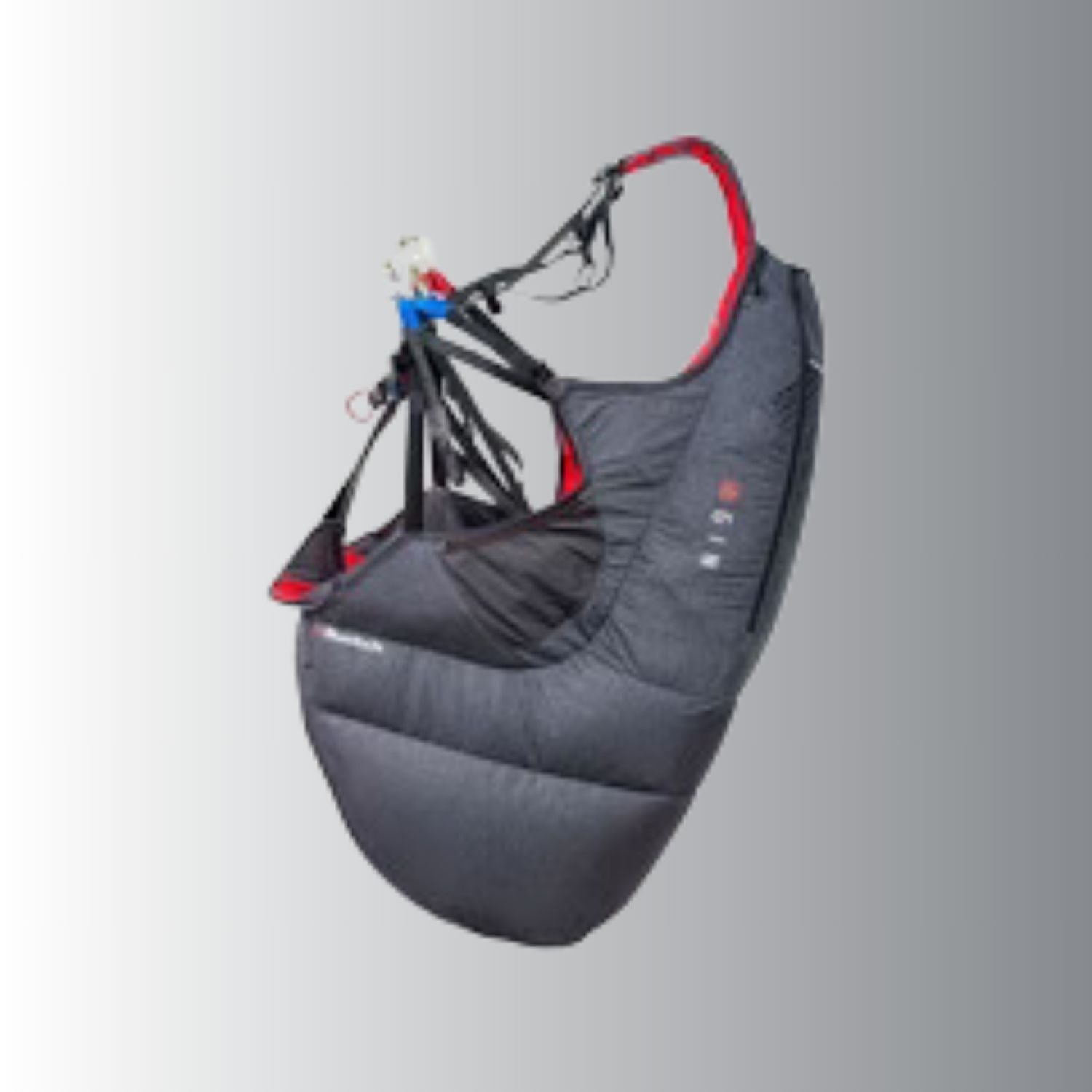
Harness approx. CHF 600–1,800
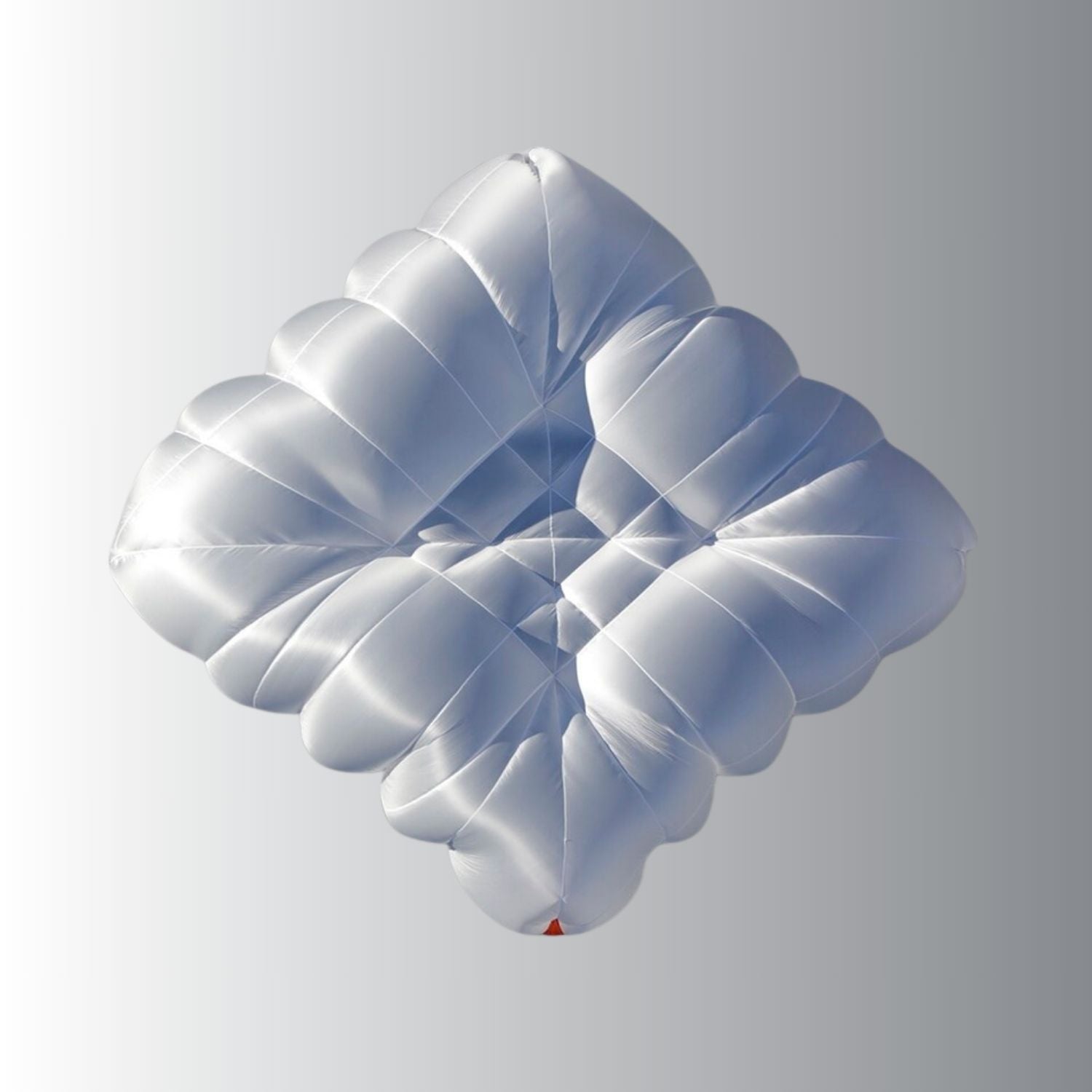
Rescue parachute approx. CHF 600–1,000
Helmet approx. CHF 150–300
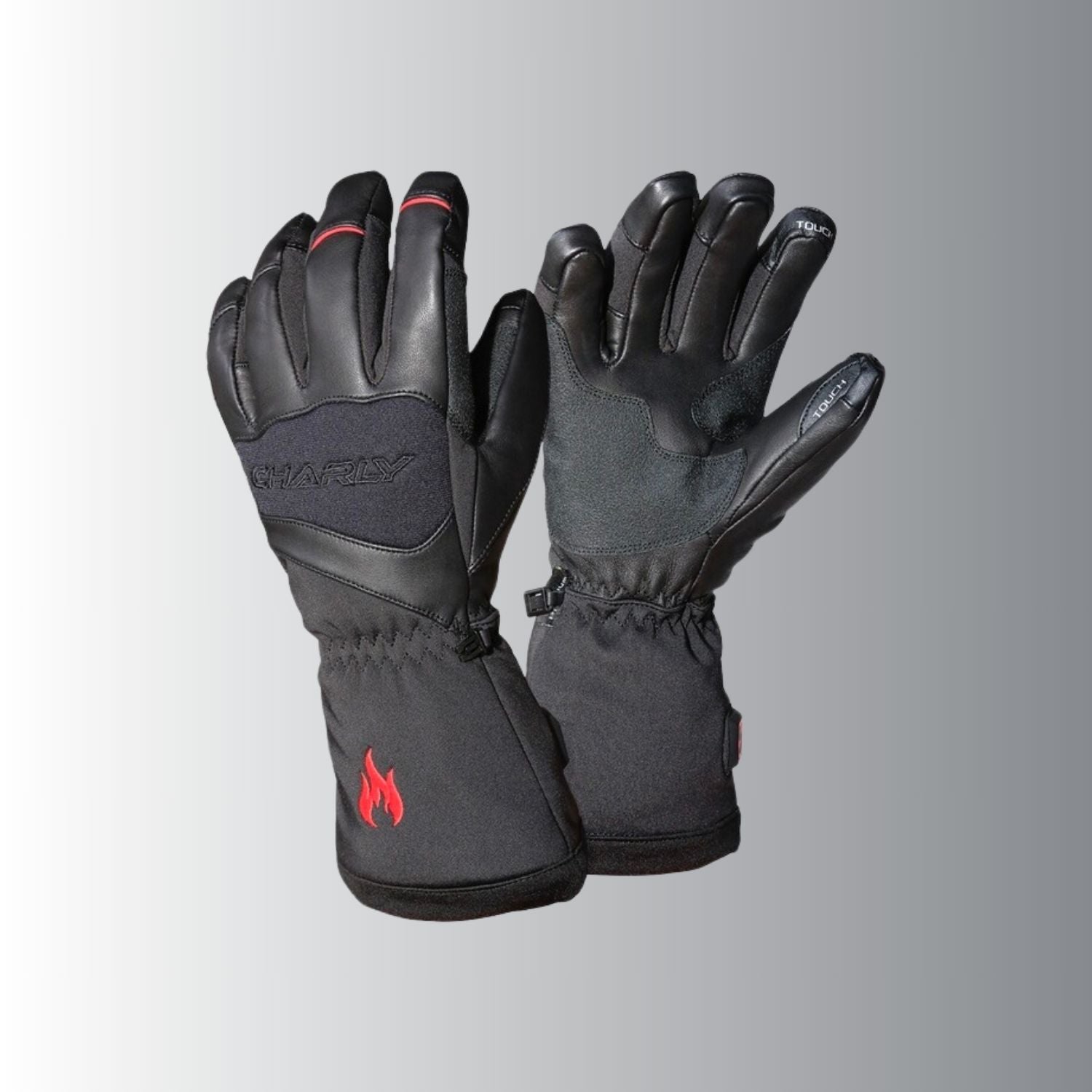
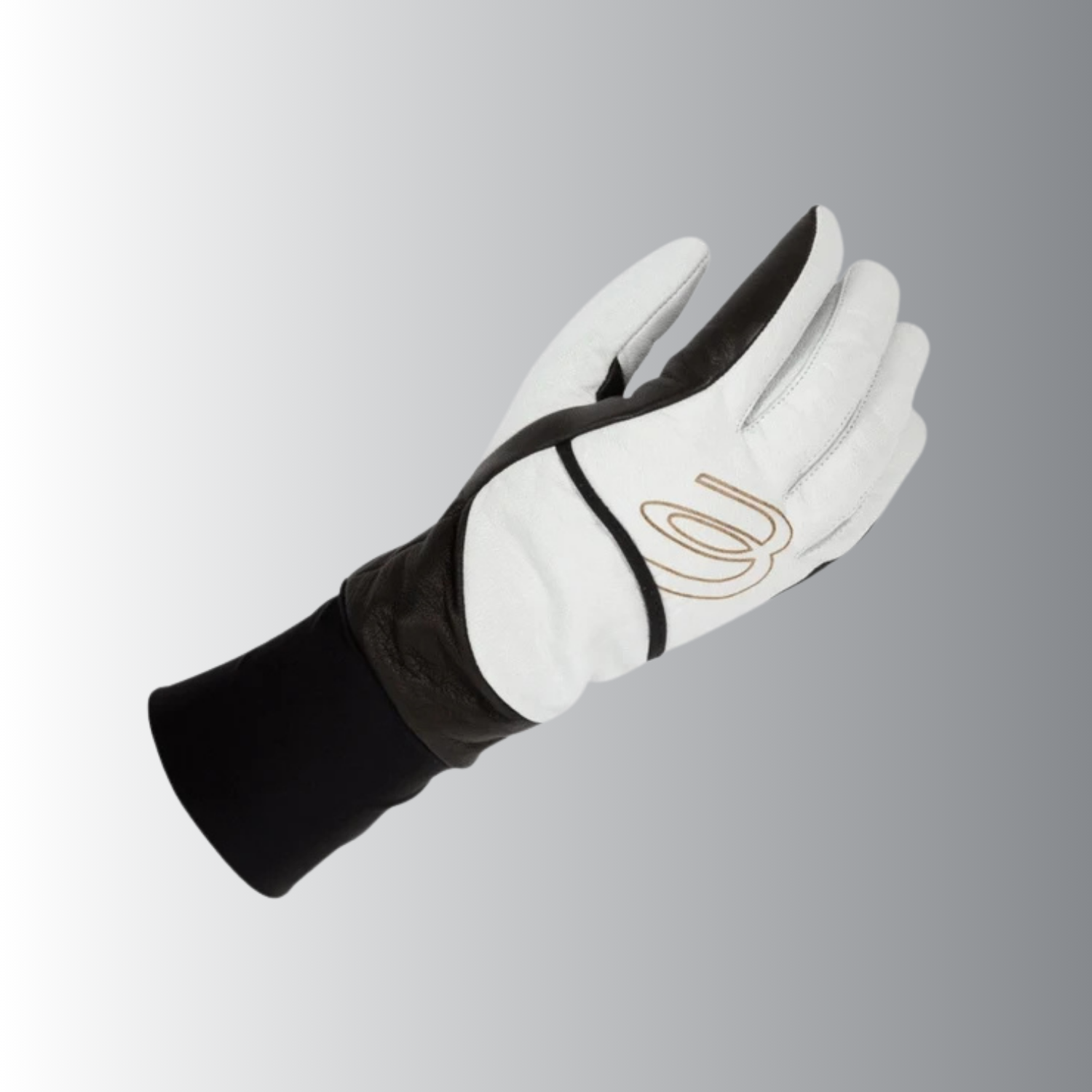
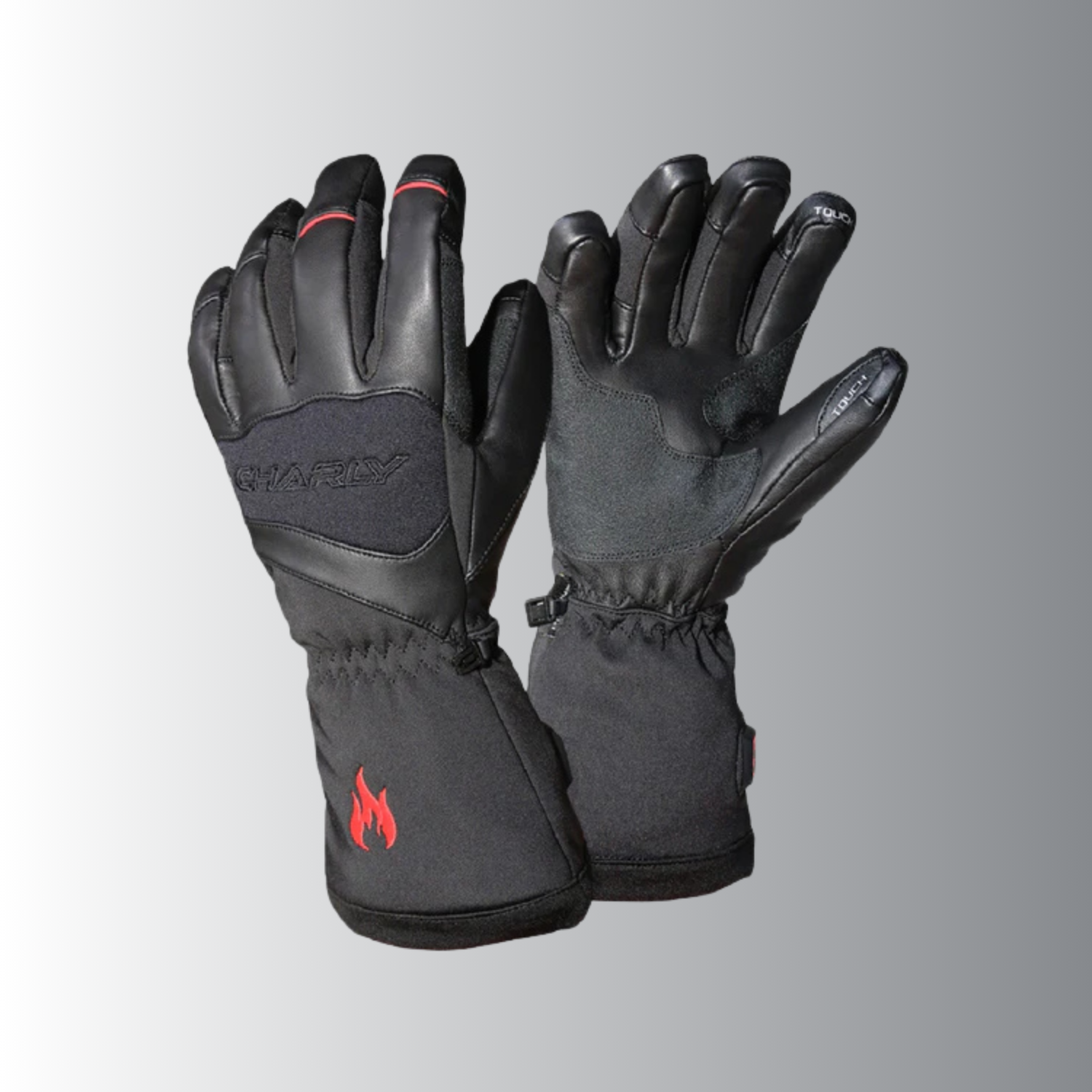
Gloves approx. CHF 100–200
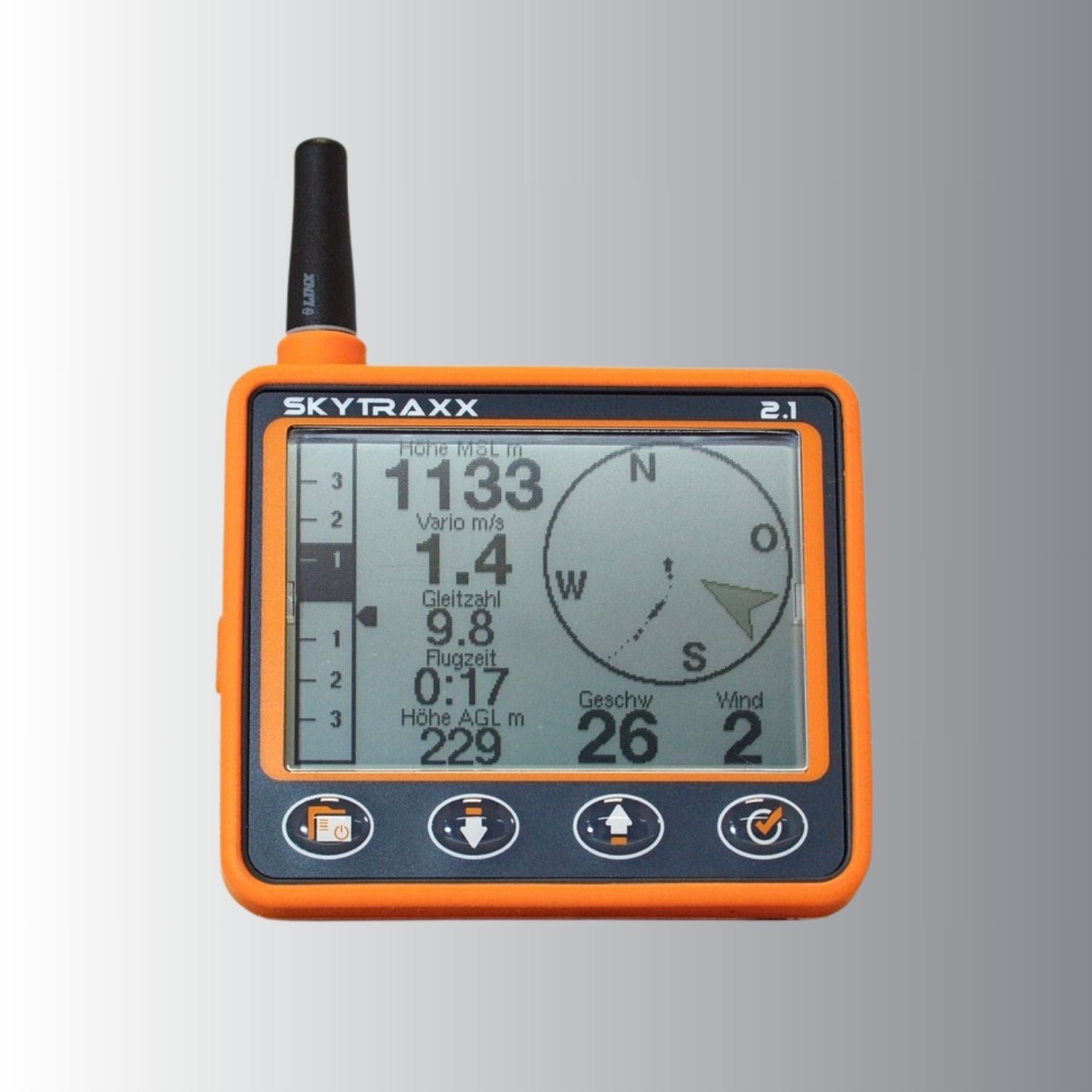
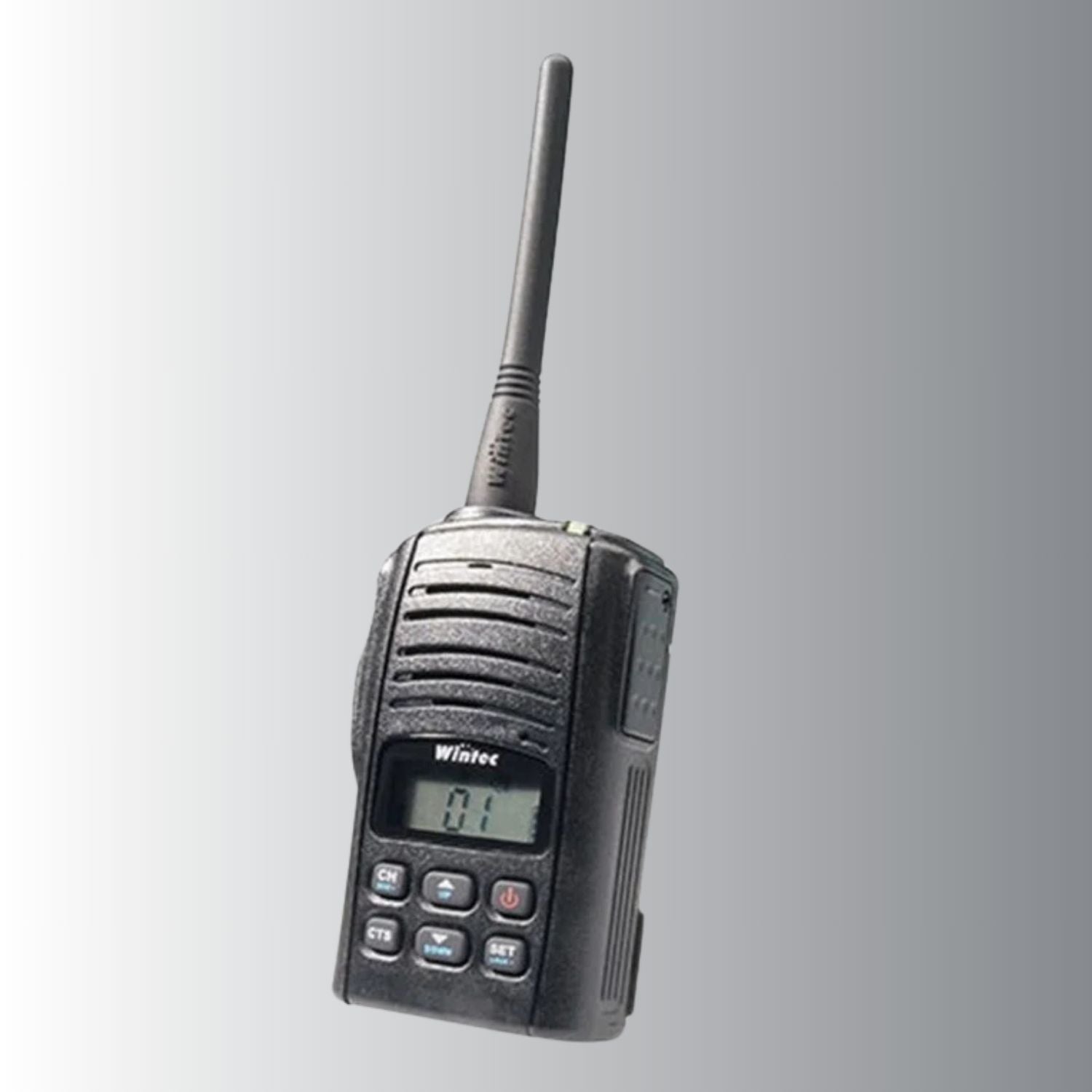
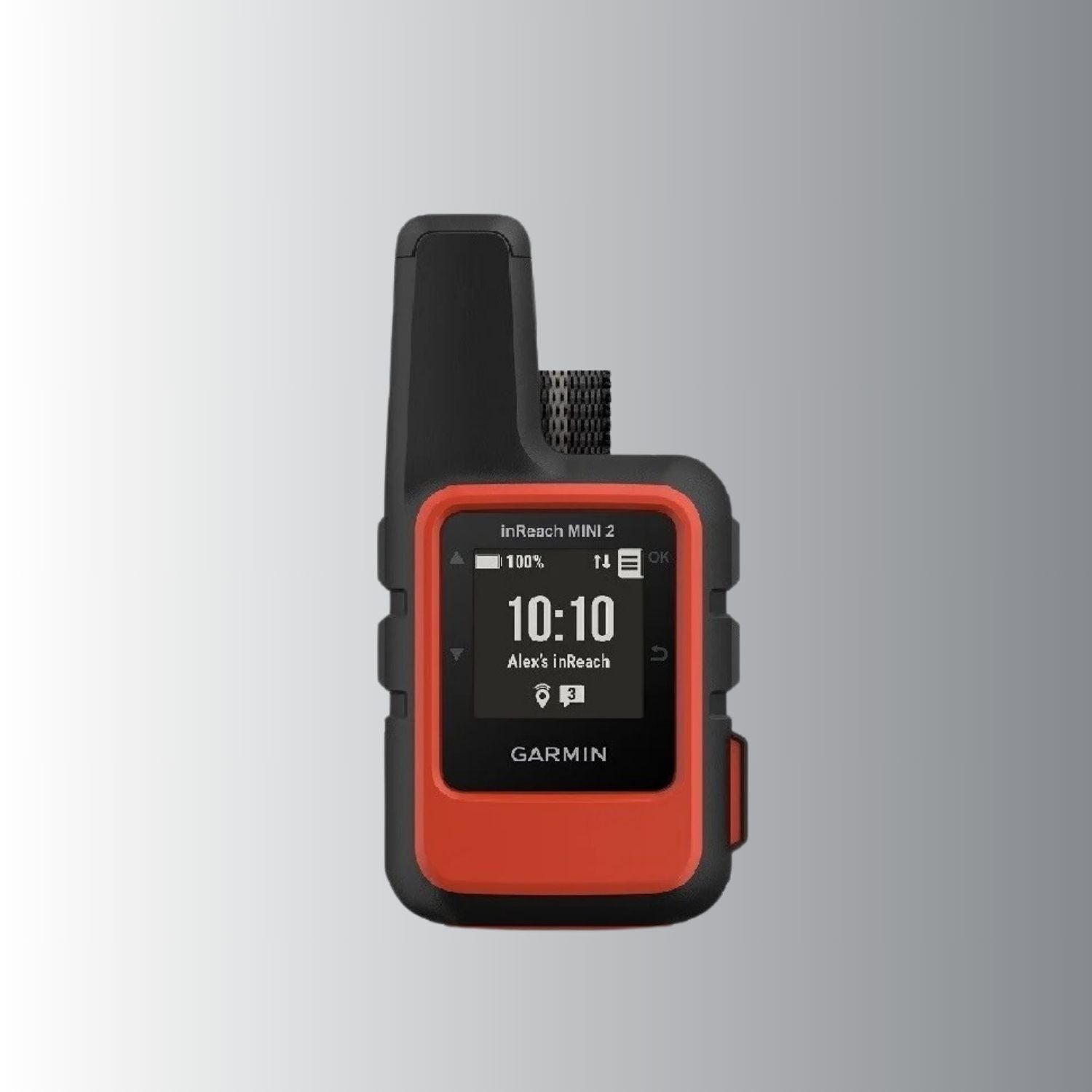
Optional accessories such as a variometer, GPS or radio increase comfort and safety.
How long does a paraglider last?
The lifespan of a paraglider is around 4 to 6 years, depending on use and UV exposure.
Has this article inspired you to take up paragliding? Then get in touch with us.
Best regards
, YourParagliding24.ch Team
We Love Paragliding ❤️