
Search


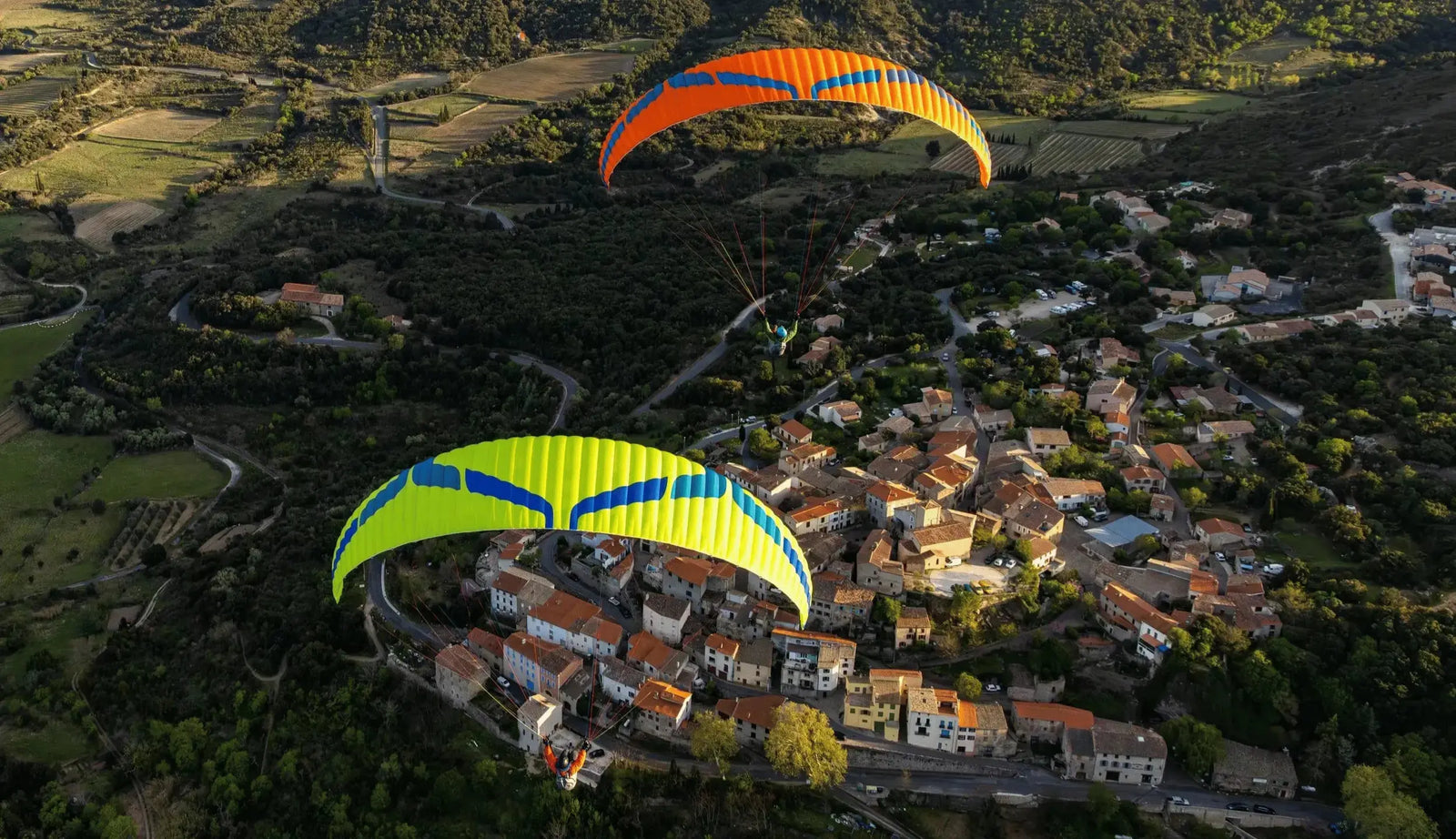
What sets a Parakite apart from a traditional paraglider? Learn how control, speed, and the flying experience are related, what piloting skill level is required, and which design best suits your flying goals.

The ADS-L requirement for paragliders in Switzerland is scheduled to take effect in mid-2028. Following its introduction in 2027, there will be a one-year transition period. Find out which FLARM and ADS-L variometers are suitable, who is eligible for an ADS-L subsidy in Switzerland, and what the application deadlines are. All the important information on subsidies, retrofitting, and new regulations for paraglider and hang glider pilots.

3-line or 2-line—which paraglider is right for you? Learn how the two designs differ in terms of handling, thermal flying, and accelerated gliding. This article explains B-control, safety considerations, and the use of folding lines, and highlights what to keep in mind when switching. Discover the right models for you at paragliding24.ch.

Der EN-B Gleitschirm Klassen Vergleich, zeigt klar die Unterschiede zwischen Low, Mid und High EN-B. Während Low EN-B für Sicherheit und entspannte Fortschritte steht, bietet Mid EN-B den idealen Mix aus Performance und Kontrolle. High EN-B richtet sich an erfahrene Piloten mit Fokus auf XC und maximale Leistung. Erfahre mehr

The Skytraxx 5 is a GPS variometer for paraglider and hang glider pilots, specially designed for thermal and cross-country flying. It combines precise climb/sink values with integrated thermal navigation, airspace warning, and XC tracking.

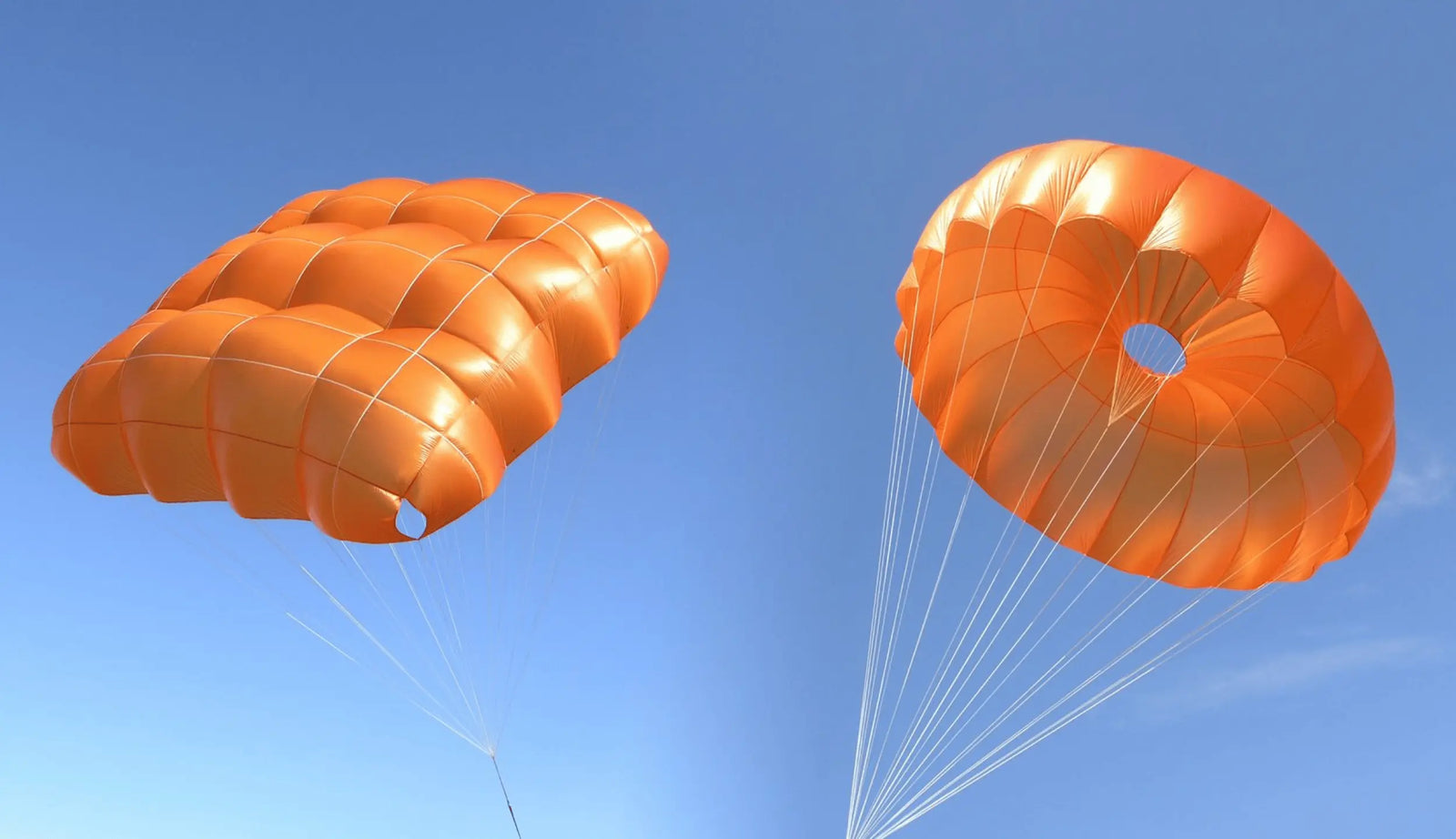
A paraglider rescue device is your last line of defense in a critical situation. This makes it all the more important that this system deploys reliably in an emergency , opens quickly, and brings you safely to the ground. Nevertheless, the selection of the right rescue parachute is often underestimated or reduced solely to weight and price. In this detailed guide, you will learn which criteria are really decisive.

FAQs about paragliding. Frequently asked questions and answers. What exactly is paragliding? Paragliding is a form of flying in which pilots glide silently through the air with the aid of a flexible paraglider. The flight is based on the same aerodynamic principles as gliding or hang gliding.

Buying a paraglider is an exciting step for anyone who loves paragliding. But before you decide on a model, there are many factors to consider. In this comprehensive guide, I explain everything you need to know, from choosing the right paraglider to safety aspects and recommendations for beginners and professionals.

This paragliding weather checklist provides a compact and practical overview for safe flight preparation. It guides you step by step through all the important weather factors such as general weather conditions, wind, thermals, cloud development, visibility, and local influences at the launch site. Clear go and no-go criteria help you to recognize dangerous situations early on and make informed decisions. The checklist is ideal for beginners, advanced pilots, safety training, as well as thermal, soaring, and cross-country flights.

ADS-L and FLARM address similar objectives (visibility, safety), but with different focuses:
ADS-L: surveillance/visibility in larger airspace/U-space
FLARM: Close collision avoidance, especially for gliders and light aircraft
Combining the two systems provides the greatest benefit: FLARM for collision warning in the immediate vicinity, ADS-L for visibility to other aircraft and ATC.

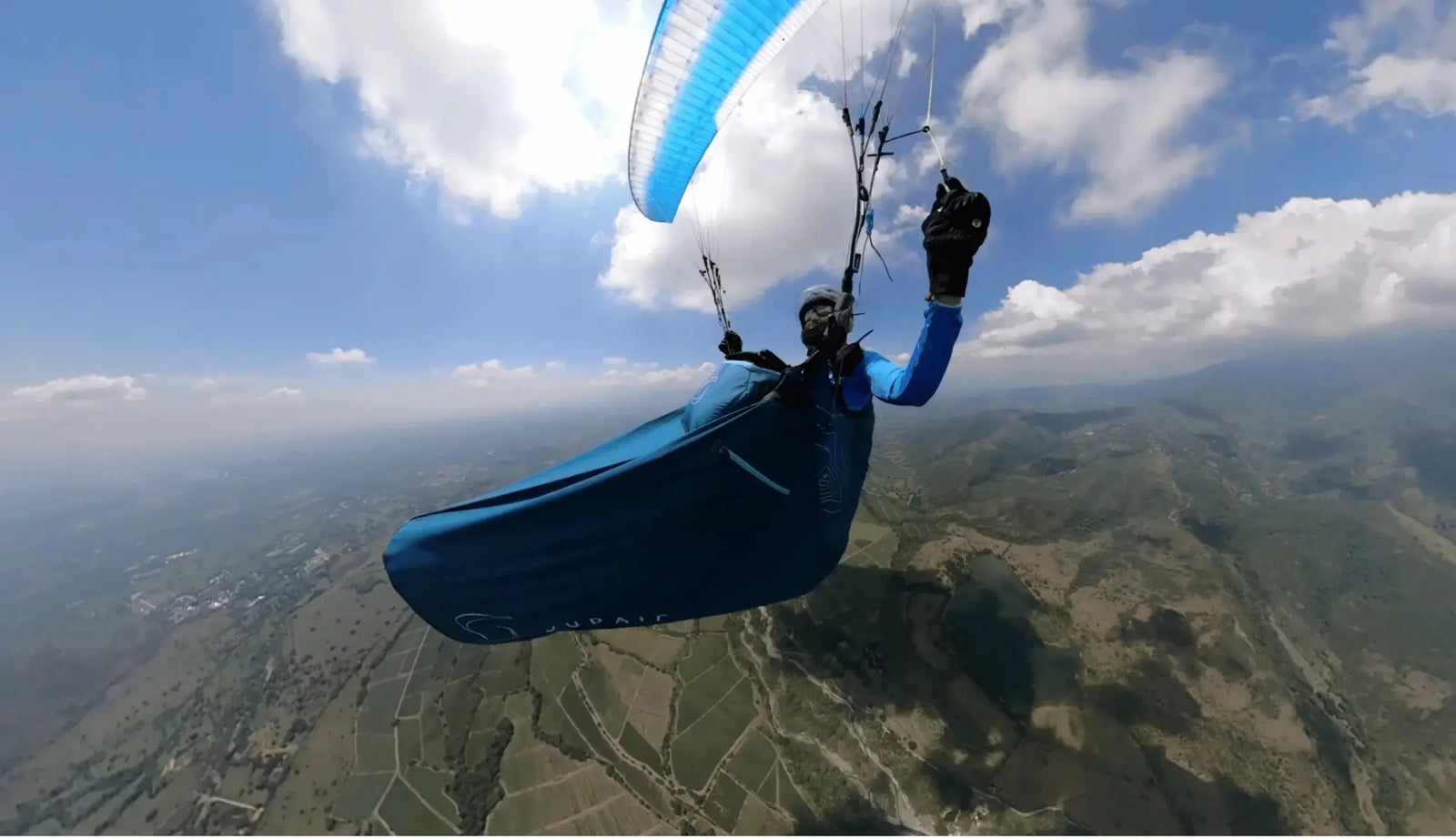
When paragliding, the focus is often on the wing, the weather, and flying technique. The harness, on the other hand, is usually seen as a comfort factor—as a seat, storage space, and protector. But this view is too narrow. In reality, the harness is a central control and perception element that significantly influences how you fly, how you react, and how safe you are on the move.